The Shelf · TV Series

Basketball Wives

Released 2010Curated by SPMA Hub because sport culture lives beyond the field.

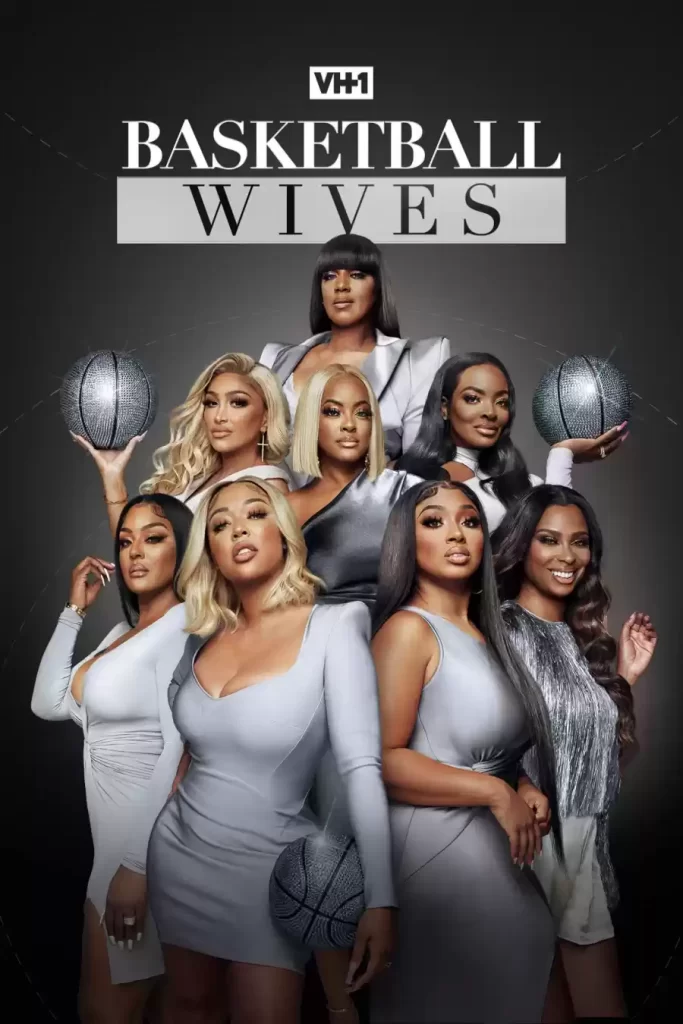
Basketball Wives made a television franchise out of a group normally positioned at the edge of sports coverage: the partners and former partners of professional players. The VH1 series follows friendships, disputes and business ambitions in a world shaped by NBA fame. It offers little basketball, but says a great deal about the market for access to the people surrounding celebrated athletes.

Arash Sayed
Covered by Arash Sayed
The Shelf
Basketball Wives

The Gist

Why it caught our attention

VH1 announced the programme in 2009 and launched it in 2010, with Shaunie O'Neal serving as an executive producer. Its original pitch followed women whose relationships connected them to NBA players, including Jennifer Williams and Evelyn Lozada. The focus was deliberately broader than the category suggested by the title: current spouses, former partners and women linked to basketball's social world could all figure in the cast.

This distinction matters. A sports audience usually learns about a player's family through an interview, a photograph or a public appearance selected to support the athlete's image. Basketball Wives reverses that arrangement. The people normally visible only beside the star become the principal television personalities, with their own alliances, reputations and disagreements.

The Details

Quick facts

Format
TV Series
Released
2010
Relevant Sport
Basketball

At A Glance

Basketball Wives made a television franchise out of a group normally positioned at the edge of sports coverage: the partners and former partners of professional players. The VH1 series follows friendships, disputes and business ambitions in a world shaped by NBA fame. It offers little basketball, but says a great deal about the market for access to the people surrounding celebrated athletes.

About This Shelf Item

About Basketball Wives

The programme is built around encounters rather than athletic events. Social gatherings, personal conversations and confrontations create the rhythm of an ensemble reality series. Basketball provides a shared setting and an implied level of privilege, but it rarely determines the resolution of an individual storyline. The drama concerns how the women relate to one another while negotiating public attention and the unequal expectations attached to their connections with famous men.


Shaunie O'Neal's role as both participant and executive producer is revealing. She does not simply appear as an anonymous member of a celebrity household; her name helps anchor the show as a media property. Evelyn Lozada and Jennifer Williams similarly become identifiable figures within the programme's own narrative, rather than supporting characters in somebody else's athletic biography. That shift is an important part of how the series operates, even when the resulting disputes feel deliberately heightened.

Its relationship with reality is complicated. Participants are real people, but audiences receive edited sequences shaped to highlight conflict. A pointed exchange can become the centre of an episode, while quieter work or family routines receive less attention. The series is not a reliable general account of life with professional basketball players. It is a produced entertainment object, and its portrait of wealth and relationships reflects what the producers consider watchable.

Why It Belongs

The Sport Connection

Basketball Wives belongs in a sports-industry discussion because it demonstrates how an athlete's fame can create commercial opportunities for people outside the playing roster. The original programme was sold on viewers' curiosity about households adjacent to the NBA. That connection provided the initial audience, even though the cast eventually generated stories and public identities that no longer required a game or player to appear.

There is also a media-ethics question. The programme invites viewers to judge personal conduct while leaving them with a selective record. Participants benefit from visibility and can face reputational costs from the same exposure. Sport organizations attempting to manage their own brands cannot control every adjacent narrative produced around players and their families.

The series does not tell us how an NBA club is managed. It instead shows the limits of treating an athlete's commercial image as something contained by the athlete or employer.

Our Recommendation

Why Watch Basketball Wives

The strongest way to approach Basketball Wives is as a study of celebrity reality television built on sports proximity. The early premise illustrates how media companies identified an underserved category of personalities and built a long-running entertainment product around them. It also provides a useful opportunity to ask whose voice usually shapes a public account of an athlete's private life.

Viewers should remain alert to the form's appetite for conflict. An episode may give a sharp impression of an argument without enough surrounding context to justify a broad judgment about anyone involved. That limitation does not make the series culturally unimportant, but it should temper claims that the show reveals what basketball families are generally like.

Arash Sayed

Final Thoughts

Arash's Final Thoughts

Basketball Wives is not a basketball documentary in disguise. The league is the backdrop that makes its original cast visible; the women themselves provide the stories. Its Shelf value lies in the commercial afterlife of sporting celebrity, where proximity to the game can become a public identity and then an entertainment business. The result may be divisive television, but it exposes a feature of the modern sports ecosystem that traditional game coverage tends to leave outside the frame.