The Shelf · Movies

The Fab Five

Released 2011Curated by SPMA Hub because sport culture lives beyond the field.

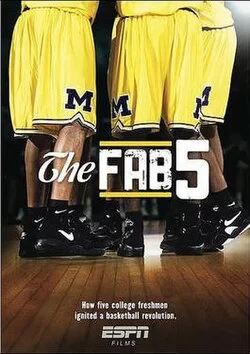
Five freshmen arrived at Michigan in 1991 and promptly became a national basketball story. Jason Hehir's documentary follows Chris Webber, Jalen Rose, Juwan Howard, Jimmy King and Ray Jackson through spectacular play, cultural influence and a complicated aftermath. It is as interested in who controlled the meaning of their success as in the NCAA championships they came close to winning.

Arash Sayed
Covered by Arash Sayed
The Shelf
The Fab Five

The Gist

Why it caught our attention

Directed by Jason Hehir for ESPN Films, The Fab Five revisits the University of Michigan men's basketball team that began with a remarkable 1991 recruiting class. The newcomers reached consecutive NCAA title games, lost both, and nevertheless changed the way college basketball looked and talked. Their long shorts, black socks and public self-assurance made the Wolverines a recognizable cultural phenomenon far beyond Ann Arbor.

The documentary places the players' retrospective accounts alongside the spectacle that surrounded them. It does not take much footage to remember how exciting they were; the larger question is why their style provoked so much debate. These were young Black athletes whose confidence, clothing and speech became subjects of national judgement in a sporting world that was profiting from their visibility.

The Details

Quick facts

Format
Movie
Released
2011
Relevant Sport
Basketball

At A Glance

Five freshmen arrived at Michigan in 1991 and promptly became a national basketball story. Jason Hehir's documentary follows Chris Webber, Jalen Rose, Juwan Howard, Jimmy King and Ray Jackson through spectacular play, cultural influence and a complicated aftermath. It is as interested in who controlled the meaning of their success as in the NCAA championships they came close to winning.


About This Shelf Item

About The Fab Five

Chris Webber, Jalen Rose, Juwan Howard, Jimmy King and Ray Jackson are not interchangeable characters in the story. Their different personalities and later experiences complicate the idea of the Fab Five as a single emblem of youthful rebellion. The team's success depended on a shared willingness to challenge conventional expectations, but those expectations were also refracted through race, class and assumptions about how college athletes should behave.

The 1993 championship game remains a pivotal moment. Webber's late timeout call, when Michigan had none remaining, became the defining public image of a team's defeat. It is a brutal example of how a short decision can overshadow years of basketball and turn a person into a cautionary tale for people who never knew the full story. The documentary returns to that moment while also considering the wider college-basketball landscape in which it occurred.

The aftermath includes the scandal surrounding improper benefits linked to Michigan's programme, a history the film cannot honestly omit. The tension between sporting achievement, college regulations and commercial value runs through the story. A team could generate revenue and national attention while its members remained subject to an amateur framework that policed the flow of benefits to them. That contradiction helps explain why the Fab Five's story has continued to provoke arguments long after the final buzzer.

Why It Belongs

The Sport Connection

The Fab Five is indispensable for understanding how college athletes become commercial cultural figures before they have control over the business around them. Their style circulated through merchandise, broadcast conversation and youth fashion. The university acquired a high-profile identity that owed as much to those teenagers as to any marketing office.

For administrators, the film exposes the limits of treating collegiate athletes as purely representative students while promoting them as valuable entertainment properties. The later scandal and the broader benefits debate cannot be collapsed into an excuse for any rule violation, but neither should the institution's financial incentives be left out of the analysis. Governing a high-profile programme requires clarity about those competing interests.

Our Recommendation

Why Watch The Fab Five

Watch for the players' accounts of a period they experienced from inside the glare. Hehir gives the rise and fall a recognizable documentary arc, but the most useful viewing approach is to listen for the difference between the team's own identity and the interpretations assigned to it by outsiders.

The film belongs on the Shelf for college-basketball historians, marketing students and anyone following debates about athlete compensation and representation. Its fashion and basketball are memorable; the arguments about authority and ownership have aged even more consequentially.

Arash Sayed

Final Thoughts

Arash's Final Thoughts

The Fab Five were never just five talented teenagers who reached a final. They became a contested symbol of what college basketball allowed athletes to express and what it expected them to surrender. Hehir's documentary keeps that argument open, which is why the team remains worth studying beyond the score.