The Shelf · Movies

Untold: The Liver King

Released 2025Curated by SPMA Hub because sport culture lives beyond the field.

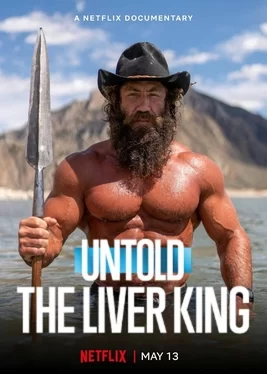
This documentary profiles Brian Johnson, the Liver King influencer, and the commercial success of his ancestral-lifestyle persona. The film is a case study in how an individual brand can monetize claims about bodily authenticity. A physique promoted as proof of ancestral habits becomes the center of a fitness-marketing credibility crisis.

Arash Sayed
Covered by Arash Sayed
The Shelf
Untold: The Liver King

The Gist

Why it caught our attention

Disclosures about steroid use challenge public claims that diet and training alone explained his muscular physique.

Johnson's heavily branded lifestyle was marketed through a claim of personal authenticity, and the documentary is most revealing when it examines how that claim generated loyalty. The audience was not merely purchasing advice. It was buying access to a seemingly simple explanation for a body that looked anything but ordinary. The steroid disclosures introduce a problem of trust that cannot be resolved by a clever rebranding campaign. The film benefits from interviews but should be interpreted with the same skepticism viewers would apply to the original marketing.

The Details

Quick facts

Format
Movie
Released
2025

At A Glance

This documentary profiles Brian Johnson, the Liver King influencer, and the commercial success of his ancestral-lifestyle persona. The film is a case study in how an individual brand can monetize claims about bodily authenticity. A physique promoted as proof of ancestral habits becomes the center of a fitness-marketing credibility crisis.

About This Shelf Item

About Untold: The Liver King

Interviews with Johnson and his associates frame a credibility crisis in the age of direct-to-consumer fitness celebrity.

Brian Johnson's online persona was built around startling muscularity and a doctrine of ancestral living. The documentary explores the commercial force of that spectacle and the questions raised by disclosures about steroid use. It is important to separate what Johnson said publicly from what has been independently established: a confession about enhancement changes the interpretation of marketing claims, but does not make every other claim either true or false by association. The most interesting scenes concern the machinery that converts an eccentric personal routine into a sellable authority.

The public controversy becomes clearer when the influencer's body is understood as advertising inventory. Images presented as proof of a lifestyle were also selling a relationship of trust that could be monetized through products and attention. The steroid disclosures therefore affected more than his reputation as a fitness personality. They raised questions about the promises made to consumers, the responsibility of commercial partners and the ease with which intimacy on social platforms can disguise a carefully built business.

Why It Belongs

The Sport Connection

Supplement marketing, influencer disclosure and misleading performance narratives are more relevant than organized athletic competition.

Fitness audiences often encounter advice through the same channels used to sell supplements, coaching and branded lifestyles. That creates an obvious conflict when the product's credibility rests on an influencer's physique. Unlike an athlete in a regulated competition, a commercial fitness personality may not be bound by an anti-doping code, yet customers still make decisions based on representations of performance. The film belongs in the sport-industry collection as an examination of evidence, disclosure and the profitability of spectacle rather than as a competitive-sport documentary.

Our Recommendation

Why Watch Untold: The Liver King

The film is a case study in how an individual brand can monetize claims about bodily authenticity.

The most useful audience is not limited to bodybuilding followers. Anyone responsible for athlete endorsements, paid partnerships or fitness communication can learn from the distance between a persona's apparent authenticity and the incentives supporting it. A disclosure that arrives after years of marketing does not undo the earlier purchases or restore the public's ability to evaluate claims at the time they were made.

Arash Sayed

Final Thoughts

Arash's Final Thoughts

The Liver King is useful for discussions about digital fitness commerce because the controversy makes the relationship between a claim and a sale unusually visible. It should not be treated as evidence that one influencer represents all nutrition or strength coaching. Its particular lesson concerns the responsibility of a person who profits from customers believing an appearance has been achieved in the way that person advertises.