
The Shelf · TV Series

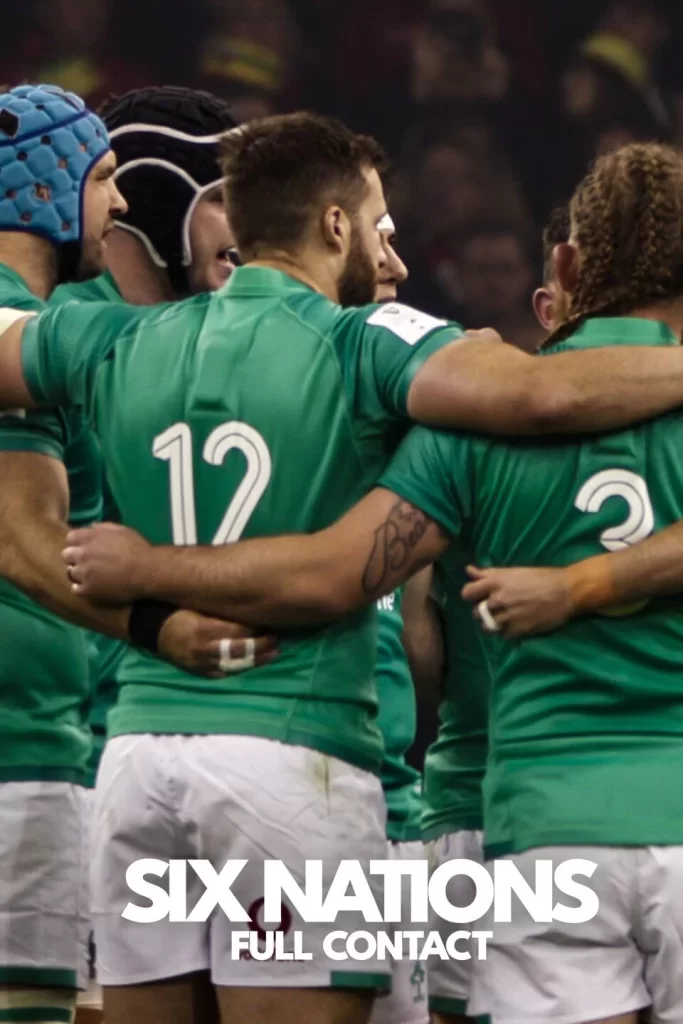
Six Nations: Full Contact

Released 2024Curated by SPMA Hub because sport culture lives beyond the field.

Six Nations: Full Contact follows an international tournament in which players inherit expectations as soon as they put on a national shirt. England, France, Ireland, Italy, Scotland and Wales arrive with different prospects, but none enters a fixture without a history that supporters are ready to bring into the present.

Alex Bennett
Covered by Alex Bennett
The Shelf
Six Nations: Full Contact
The Gist Of Six Nations: Full Contact

The Gist

Why it caught our attention

The series premiered in 2024, with its first season covering the 2023 men's Six Nations Championship. Its access extends from team environments into selected players' lives, giving the short tournament a longer human timescale. This overview concerns that opening season rather than later editions of the competition.

Finn Russell, Gaël Fickou and Ellis Genge are among the featured players. Their inclusion helps move the series beyond a simple tour of results, offering contrasting responsibilities and temperaments within a sport that often presents the national team as a single collective personality.

The Details

Quick facts

Format
TV Series
Released
2024
Relevant Sport
Rugby

At A Glance

Six Nations: Full Contact follows an international tournament in which players inherit expectations as soon as they put on a national shirt. England, France, Ireland, Italy, Scotland and Wales arrive with different prospects, but none enters a fixture without a history that supporters are ready to bring into the present.

About This Shelf Item

About Six Nations: Full Contact

Russell's role brings the demands of creative decision-making into view. A player associated with invention still operates inside a team that needs timing, coordination and confidence in what will happen next. His personal circumstances outside rugby add another dimension to the public image of the instinctive playmaker.

Fickou and Genge broaden the picture of what elite contribution looks like. Rugby contains different physical tasks and different forms of leadership, and the same match can require players to solve quite different problems. Following individuals helps make those distinctions visible to viewers unfamiliar with the positions.

The compressed international calendar gives preparation unusual urgency. Players arrive from their clubs, work within a national setup and face opponents whose significance extends beyond the current standings. A team has limited time to establish shared understanding before the next fixture provides a public judgement of its progress.

The changing balance among the six sides also affects what a result means. A performance can be encouraging for a developing team and disappointing for one expected to win. The documentary is strongest when it allows those unequal starting points to remain visible rather than applying the same emotional script to every nation.

Why It Belongs

The Sport Connection

Full Contact offers a useful view of the relationship between collective identity and specialised work. The national shirt creates a shared purpose, but it does not remove the different responsibilities carried by individual players. Effective coordination requires those differences to function together under immediate physical pressure.

The tournament setting also makes reputation unusually persistent. Coaches and players are assessed through earlier campaigns, familiar rivalries and expectations formed outside the training environment. Communication therefore has to serve two audiences: the people preparing to play and the public trying to interpret what the team represents.

Its closer access can introduce rugby to new viewers, but selection remains part of the storytelling. The cameras follow particular people and preserve particular conversations. That provides valuable context while leaving some tactical work and institutional decisions outside the frame. An intimate scene can explain how someone experienced a match without fully explaining why the match was won.

Our Recommendation

Why Watch Six Nations: Full Contact

The series is a good entry point for viewers who want people and roles to attach to the Six Nations' familiar national labels. Its attention to life outside the team environment makes the players easier to distinguish without requiring extensive prior knowledge of international rugby.

Experienced followers can use the same material to consider the pressure created by the tournament's short span. There is little time for a public narrative to settle before the next result changes it. Watching the players move through that cycle adds texture to fixtures often remembered chiefly through a decisive score or confrontation.

Alex Bennett

Final Thoughts

Alex's Final Thoughts

Six Nations: Full Contact earns its value by bringing separate working lives into a competition usually presented through national symbols. The anthem and the final score remain important, but they frame a much more complicated process of preparation and cooperation. The series helps explain why a few weekends of rugby can occupy so much of the people involved.