The Shelf · Movies

Eddie the Eagle

Released 2016Curated by SPMA Hub because sport culture lives beyond the field.

Eddie the Eagle looks like a film about finishing last and winning the crowd. Its more revealing subject is the boundary between an athlete's determination and the sporting system deciding who gets to compete.

Arash Sayed
Covered by Arash Sayed
The Shelf
Eddie the Eagle
Eddie the Eagle
The Gist Of Eddie the Eagle

The Gist

Why it caught our attention

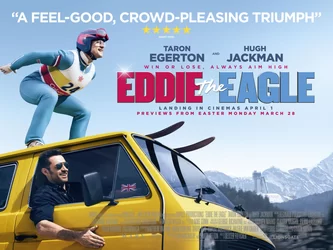
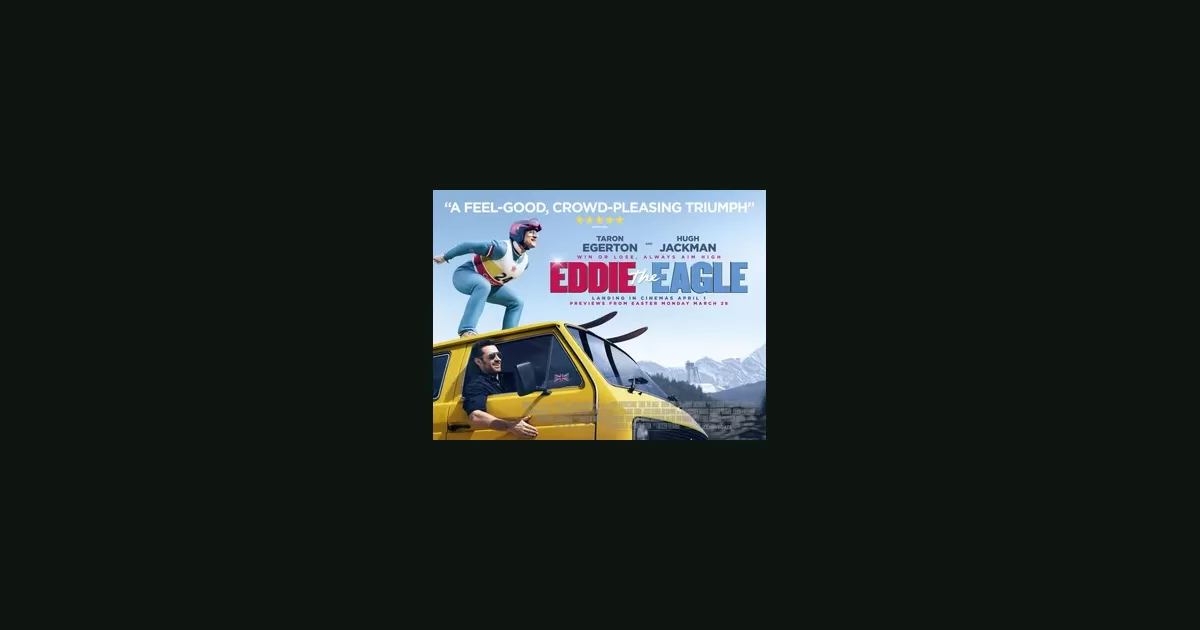
Dexter Fletcher's 2016 film follows Michael 'Eddie' Edwards, played by Taron Egerton, as he attempts to reach the 1988 Calgary Winter Olympics as a British ski jumper. Edwards does not fit the expected image of an international competitor. He lacks the elite development pathway, experience and institutional backing enjoyed by athletes from established ski-jumping nations. His ambition makes people uncomfortable partly because he refuses to accept that those barriers must be final.

Hugh Jackman's Bronson Peary supplies the film with an unlikely coaching relationship. He is a fictionalized character, not a documentary record of one definitive trainer. That distinction matters because the film's appeal depends on simplifying a complicated journey into a recognizable partnership. The real Edwards's story involved more people, decisions and circumstances than a conventional sports comedy can accommodate.

The Details

Quick facts

Format
Movie
Released
2016
Genre
Drama
Relevant Sport
Skiing

At A Glance

Eddie the Eagle looks like a film about finishing last and winning the crowd. Its more revealing subject is the boundary between an athlete's determination and the sporting system deciding who gets to compete.

About This Shelf Item

About Eddie the Eagle

Egerton plays Edwards as someone whose enthusiasm can become exasperating, and that is a better choice than making him effortlessly inspirational. Ski jumping is a technical, high-risk discipline, and a willingness to try does not eliminate the need for preparation. The film uses training falls, improvised arrangements and awkward encounters with officials to show how difficult it is to enter a sport without its usual support network.

Peary's role allows the story to explore the difference between encouragement and instruction. A coach can make an athlete believe that an attempt is possible, but must also confront danger, technique and the limits of available time. The film's comic rhythm sometimes softens those risks. Viewers should not mistake the depicted training for a responsible model of how inexperienced jumpers ought to be introduced to the sport.

Why It Belongs

The Sport Connection

Eddie the Eagle is particularly useful for thinking about selection rules and equitable access. Olympic qualification standards protect competition integrity and athlete safety, but their application can also reflect the advantages of established national programs. Athletes from countries without facilities, funding or a tradition in a particular sport face a different starting line. The management question is not whether every enthusiastic entrant deserves an Olympic place. It is how a system makes its standards transparent while ensuring newcomers have a meaningful route toward meeting them.

The film also shows how a participant can become a media story independent of medals. Edwards's visibility was created by personality and public affection as much as finishing position. For event organizers and communications teams, that creates both an opportunity and a responsibility. A captivating outsider can attract audiences, but the attention should not turn technical competence or safety into a joke.

Our Recommendation

Why Watch Eddie the Eagle

Watch Eddie the Eagle for a spirited version of the outsider story that offers more to discuss than its cheerful ending. The film asks audiences to distinguish the value of participation from the meaning of elite results. That is a discussion worth having in youth sport, national-team development and Olympic governance, where the desire for medal tables can crowd out questions of opportunity.

Its dramatic licence is substantial, especially around the coaching story. Readers interested in the historical Edwards should consult independent accounts alongside the movie. As a study of sporting institutions, its value lies less in documentary accuracy than in the tensions it makes legible: public interest, eligibility, competitive standards and the stubborn appeal of an athlete who has not followed the prescribed route.

Arash Sayed

Final Thoughts

Arash's Final Thoughts

The lasting lesson of Eddie the Eagle is not that qualification rules are obstacles to be ignored. It is that ambitious people experience those rules through unequal resources and histories. A better sport system has to take both competitive excellence and the possibility of entry seriously. Fletcher's film gets viewers to care about someone competing without realistic medal prospects, which is a useful correction to how narrowly success is often defined.