The Shelf · Movies

Senna

Released 2010Curated by SPMA Hub because sport culture lives beyond the field.

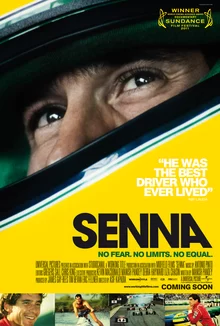
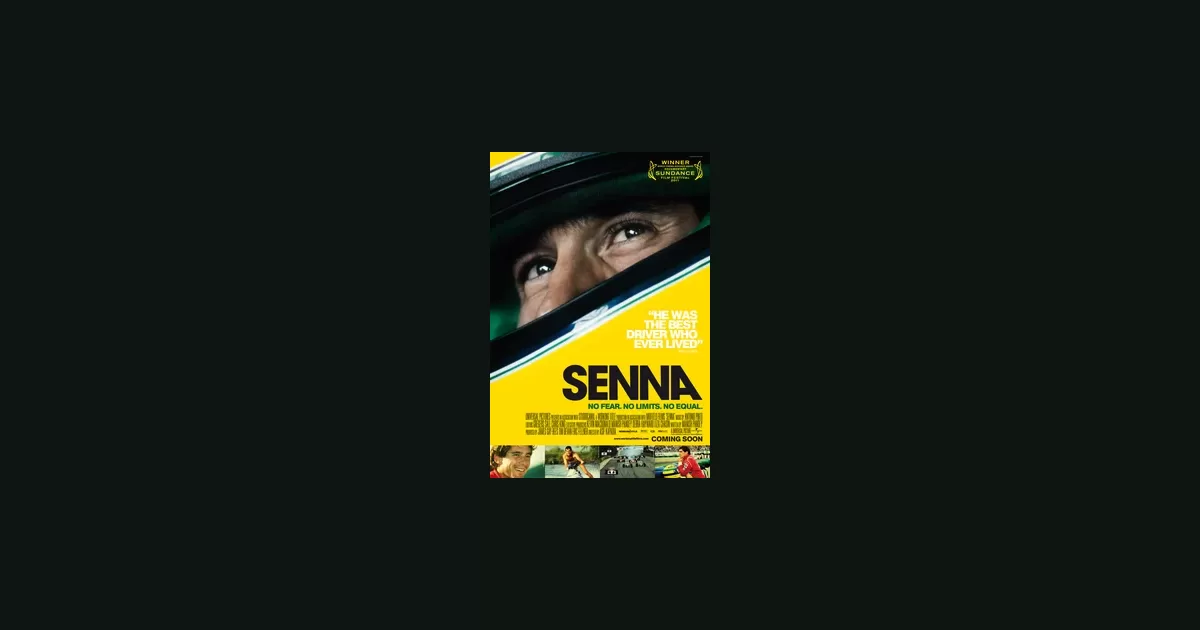
Senna makes motor racing feel like a contest over character as much as speed. Asif Kapadia's documentary builds its portrait of Ayrton Senna through archival material, placing extraordinary driving alongside rivalry, institutional conflict and the expectations attached to a Brazilian sporting hero.

Alex Bennett
Covered by Alex Bennett
The Shelf
Senna
Senna
The Gist Of Senna

The Gist

Why it caught our attention

Released in 2010, the film follows Senna's rise through Formula One and his increasingly fraught relationship with Alain Prost. Their rivalry supplies a clear dramatic line, but the documentary also considers the larger world that made their confrontations so consequential: teams, championship rules, television coverage and a governing structure with the power to determine how competition was interpreted.

Kapadia's approach largely avoids the visual interruption of present-day interview subjects. Voices accompany period images, allowing the viewer to remain close to the atmosphere of the races and the public figure Senna was becoming.

The Details

Quick facts

Format
Movie
Released
2010
Relevant Sport
Motorsport

At A Glance

Senna makes motor racing feel like a contest over character as much as speed. Asif Kapadia's documentary builds its portrait of Ayrton Senna through archival material, placing extraordinary driving alongside rivalry, institutional conflict and the expectations attached to a Brazilian sporting hero.

About This Shelf Item

About Senna

Senna's intensity is central to the portrait. Preparation, concentration and a deeply personal understanding of racing sit alongside the need to operate inside a complicated team environment. A driver may experience competition as an individual test, yet the championship depends on machinery, colleagues and decisions beyond the cockpit.

The Prost rivalry makes those competing loyalties tangible. Teammates share an organization while pursuing a prize that only one can win. Cooperation is therefore real but conditional. The film turns that structural contradiction into drama, showing how the same relationship can involve technical interdependence, professional respect and bitter suspicion.

Its archival construction also preserves the public language surrounding Senna. Press conferences, interviews and race footage reveal how quickly an incident becomes a narrative about courage, calculation or fairness. The final period of his career, culminating in the fatal 1994 San Marino Grand Prix weekend, gives that language a devastating limit. Competitive explanations cannot contain the loss of a person.

Why It Belongs

The Sport Connection

The strongest sport-management discussion concerns authority. Drivers take visible risks, while officials define the rules and impose penalties. When athletes believe those decisions lack consistency, the problem reaches beyond one disputed result. Trust in the competition itself begins to weaken.

Senna also shows how national identification increases the emotional scale of an individual career. For Brazilian supporters, success abroad carried meanings that could not be measured solely in championship points. That public attachment helped make him more than a highly accomplished employee of a racing team.

The film invites a careful distinction between understanding that attachment and allowing it to settle every sporting argument. A compelling hero narrative can illuminate a life while simplifying the people positioned against its central figure.

Our Recommendation

Why Watch Senna

The documentary rewards attention to how it creates closeness. Radio exchanges, faces in the paddock and onboard footage place the audience inside a highly specialized environment without requiring detailed engineering knowledge. The racing remains legible because the human stakes are established before technical complexity becomes overwhelming.

It is also worth watching with an awareness of perspective. Senna is a portrait with a strong emotional allegiance, not a neutral adjudication of every dispute between Senna and Prost. That does not invalidate its achievement. It makes the relationship between evidence, selection and sympathy part of the viewing experience, especially when archival images seem to speak entirely for themselves.

The absence of a conventional present-day talking-head structure strengthens that effect. Senna remains a figure encountered through the records of his own time, even as the filmmakers organize those records with hindsight.

Alex Bennett

Final Thoughts

Alex's Final Thoughts

Senna is powerful because the spectacle never fully separates from vulnerability. The concentration that makes a driver exceptional cannot remove dependence on a car, a circuit or the decisions of others. Kapadia gives that dependence emotional force without turning the film into a technical manual. For a sport-focused collection, it offers both a memorable account of a singular competitor and a reason to examine how sporting institutions remember their most celebrated figures.