





Formula 1 broadcasts concentrate on races that last a few hours, yet the work behind those races consumes entire organizations. Amazon's Grand Prix Driver follows McLaren as it prepares for the 2017 season, with Fernando Alonso and Stoffel Vandoorne at the centre of a team confronting serious technical and competitive challenges. The documentary's advantage is timing: it observes an organization before the first grand prix, when optimism, development schedules and commercial commitments can be disrupted by a single engineering problem. For sports managers, the series demonstrates that a team is not simply a collection of athletes and equipment. It is a network of decisions that must remain coordinated under severe public scrutiny.
The Shelf · TV Series
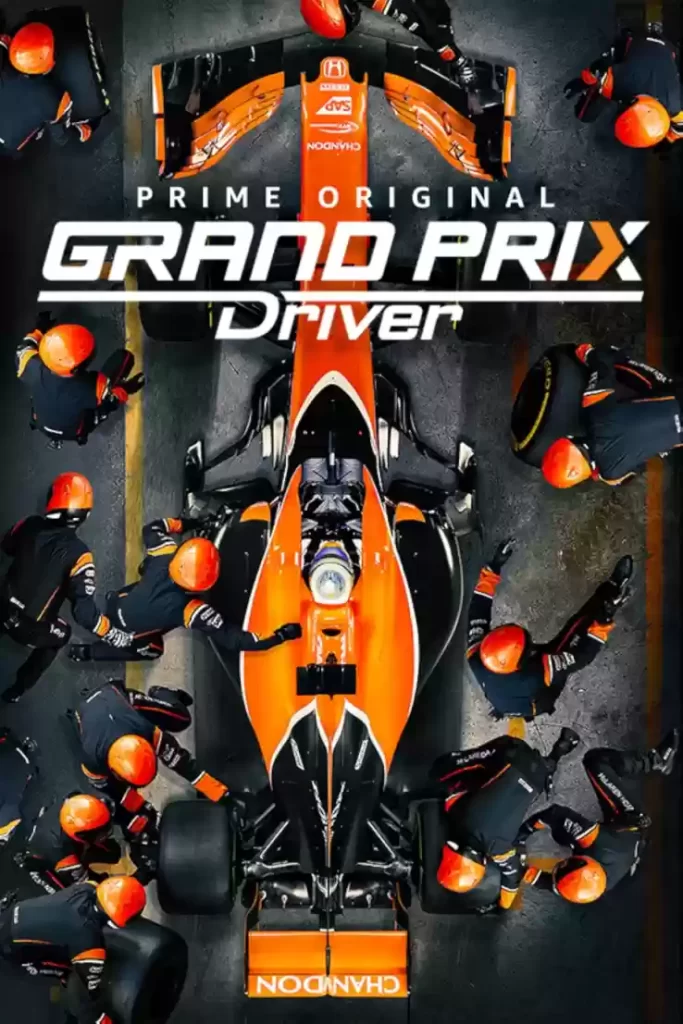
Grand Prix Driver
Released 2018Curated by SPMA Hub because sport culture lives beyond the field.
Grand Prix Driver follows McLaren through a difficult Formula 1 preseason, showing how engineering work, driver expectations and corporate pressure converge.
The Shelf
The Gist
Why it caught our attention
The Details
Quick facts
- Format
- TV Series
- Released
- 2018
- Genre
- Documentary
- Relevant Sport
- Motorsport

At A Glance
Grand Prix Driver follows McLaren through a difficult Formula 1 preseason, showing how engineering work, driver expectations and corporate pressure converge.

About This Shelf Item
About Grand Prix Driver
The cameras take viewers inside a distinguished Formula 1 operation at a period when its competitive performance falls short of historic expectations. Engineers pursue technical solutions, drivers evaluate the car's limitations and executives face questions about whether the organization can meet its ambitions. The relationship with engine supplier Honda is part of the wider context. Grand Prix Driver shows how a development problem is rarely confined to one department; delays or reliability concerns alter testing plans, strategy, communications and morale. The access provides detail that a race-weekend highlights package cannot, though the series should not be mistaken for a comprehensive technical investigation of every mechanical decision.

Why It Belongs
The Sport Connection
The series is a strong case study in high-performance operations and complex supplier management. Success requires engineers, mechanics, drivers, leadership and external partners to work from accurate information and realistic timelines. A prestigious brand can maintain strong sponsorship value, but that value becomes harder to protect when public results consistently disappoint. Managers have to communicate uncertainty without exaggerating what the next upgrade might achieve. The organization must also decide how candidly to involve athletes in strategic planning. Experienced drivers can provide indispensable performance feedback while still depending on specialists who understand the systems behind the car. Productive collaboration depends on clear responsibilities rather than simply the strongest personality in the room.
McLaren's preparation illustrates a workplace in which small technical decisions can have large competitive consequences. Engineers, mechanics, logistics staff and drivers all depend on deadlines that cannot simply move when a part arrives late or testing reveals an unexpected fault. The series shows why senior leaders need accurate reporting rather than optimistic summaries designed to make a problem disappear. A poor forecast may be more damaging than bad news delivered early, because it removes time from the people responsible for responding. Motorsport's public image of speed can obscure the slower disciplines that sustain it: procurement, documented procedures, realistic capacity planning and careful handovers between departments. The series is also a reminder that brand history can become a burden. A prestigious name creates expectations, yet engineering development still follows material limits. For managers, the useful question is how an organization remains candid about performance while protecting the motivation of people working hard on problems they cannot immediately solve.

Our Recommendation
Why Watch Grand Prix Driver
Grand Prix Driver gives management students a rare view of how pressure travels through a professional sports organization. An engine issue may become a television story about the driver, then a reputational challenge for the team and its sponsors. Leaders need systems that bring technical facts into commercial decisions without creating defensive silos. They also need to know when constant public reassurance becomes counterproductive. The documentary illustrates that process improvement is often less glamorous than a dramatic race victory: testing discipline, reliable information, supplier coordination and the willingness to correct previous assumptions all matter. In highly technical sports, organizational learning is itself a competitive asset.
Final Thoughts
Arash's Final Thoughts
Grand Prix Driver belongs on the Shelf because it shows the difficult season beginning long before the starting lights. Its strongest lesson is that elite performance depends on how an entire operation handles uncertainty, not only on what its star drivers can do.
Related organizations

Keep Exploring
Similar TV Series on The Shelf








Same sport
More Motorsport on The Shelf




Stay in the loop
Follow SPMA
New jobs, interviews and sport-industry news in your feed.






Hiring now on Sports Hired
58225283 new jobs in sport this week
Teams, leagues, agencies and brands in Canadain the USAin Canada & the USA are hiring. Find your next role, or let new ones come to you.
3701,0541,424 open jobs3,8668,20712,073 organizations
Just posted
 Policy Analyst & Committee LeadSport, Physical Activity and Recreation Council (SPARC) · within Canada3 hrs ago
 Head Coach, Synchro 9 National TeamSkate Canada · Ottawa, ON3 hrs ago
 Analyst | AnalysteOttawa Rapid FC · Ottawa, ON4 hrs ago
 2027 Summer Camp InternFirst Tee · Richmond, VA6 hrs ago
 Triple-a Athletic TrainerDetroit Tigers · Toledo, OH7 hrs ago
 Development CoachHouston Astros · Houston, TX7 hrs ago
- Policy Analyst & Committee LeadSport, Physical Activity and Recreation Council (SPARC) · within Canada3 hrs ago
- Head Coach, Synchro 9 National TeamSkate Canada · Ottawa, ON3 hrs ago
- Analyst | AnalysteOttawa Rapid FC · Ottawa, ON4 hrs ago
Copied
