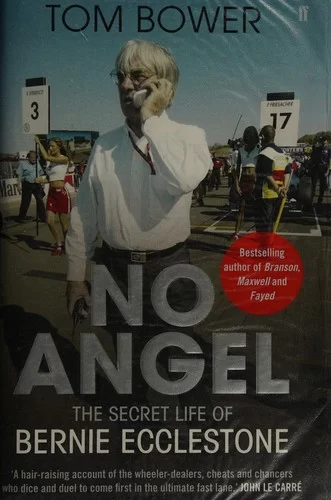
A central subject is broadcasting. Bower describes how Ecclestone, as head of the teams' association, recognised the value of television rights early and negotiated arrangements, including the Concorde Agreements first signed in 1981, that gave him enormous influence over the sport's revenue.
The book follows the sale of stakes in Formula 1's commercial rights over the following decades, including the arrival of the private equity firm CVC Capital Partners in 2006, and the negotiations with teams, the governing body FIA and race promoters that came with each deal.
Bower also addresses controversies around Ecclestone's career, including the German banking case involving payments to Gerhard Gribkowsky, which was unfolding as the book was published.
The result is a study of power in a sport where commercial control and competitive governance became closely linked, and where one person sat between them for decades.
Bower also explores Ecclestone's relationships with the leaders of the governing body, including Max Mosley, who served as FIA president from 1993 to 2009 and had worked with Ecclestone since the early days of the teams' association. Their partnership shaped how regulation and commercial interests were balanced for years.
The book describes how Ecclestone expanded the calendar beyond Formula 1's European heartland into Asia and the Middle East, where governments were willing to pay large fees to host races.