The Shelf · Movies

The Crash Reel

Released 2013Curated by SPMA Hub because sport culture lives beyond the field.

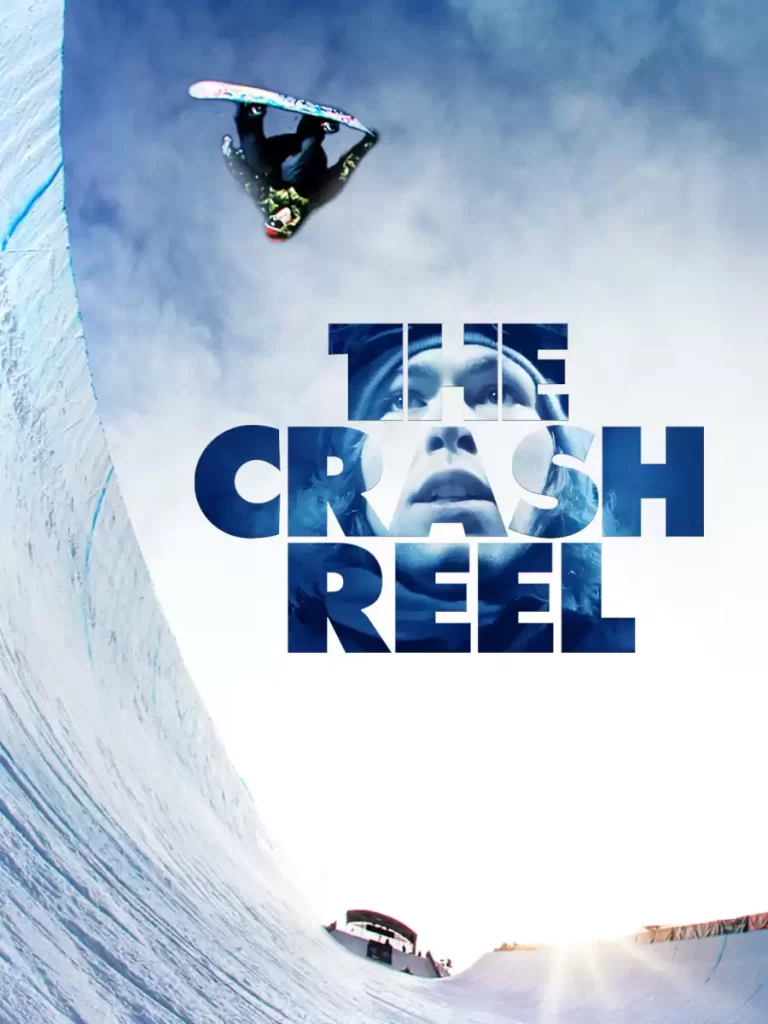
Snowboarder Kevin Pearce was being measured against Shaun White when a training crash changed the terms of his life. Lucy Walker's documentary uses the athletes' shared history and Pearce's long recovery to question the culture surrounding spectacular risk. The difficult story is not whether he can win again, but whether returning to competition would cost him everything he has recovered.

Arash Sayed
Covered by Arash Sayed
The Shelf
The Crash Reel

The Gist

Why it caught our attention

Before a December 2009 crash in Park City, Kevin Pearce was a leading halfpipe snowboarder preparing for the Vancouver Winter Olympics. His rivalry with Shaun White supplied the kind of clean narrative sports television loves: two remarkable young athletes chasing the same stage. Pearce's severe traumatic brain injury ended that trajectory. The Crash Reel, directed by Lucy Walker and released in 2013, follows a recovery in which survival and ambition no longer point in the same direction.

Walker draws on years of competition footage and close family access. The contrast matters. In the early sequences, the body appears astonishingly capable, responding to complex tricks that seem to challenge gravity. Later, the same body struggles with the consequences of injury. Neither version is staged as an easy moral lesson; the film asks what an elite athlete should do with a drive that once served him exceptionally well.

The Details

Quick facts

Format
Movie
Released
2013

At A Glance

Snowboarder Kevin Pearce was being measured against Shaun White when a training crash changed the terms of his life. Lucy Walker's documentary uses the athletes' shared history and Pearce's long recovery to question the culture surrounding spectacular risk. The difficult story is not whether he can win again, but whether returning to competition would cost him everything he has recovered.

About This Shelf Item

About The Crash Reel

Pearce's family is central, especially when he wants to return to snowboarding. The desire is understandable. Competitive riding gave him friendships, status, a routine and a way of identifying himself. Recovery is therefore not only medical. He has to confront the possibility that the activity around which he built his life may no longer be safe. His relatives see the risk from another angle: they were beside him when his future was uncertain, and they will remain with the consequences of another injury.

The film refuses to make the familiar comeback ending a foregone conclusion. In many sports documentaries, rehabilitation scenes exist to heighten the satisfaction of an eventual podium moment. Here the prospect of returning is itself the source of conflict. The questions posed by Pearce's doctors and family cannot be solved through greater commitment or a tougher training schedule.

Walker's editing also has an ethical purpose. The archival tricks are exciting, and the footage makes clear why spectators and sponsors were drawn to the sport. Yet the film keeps returning to the people who are not visible in a competition highlight. Shaun White remains an important figure in the story, but the rivalry becomes less meaningful once the stakes shift from sporting dominance to long-term neurological health. That change gives the documentary its shape.

Why It Belongs

The Sport Connection

The Crash Reel is essential viewing for anyone responsible for athlete safety in action sports. An athlete's risk tolerance is one factor; the surrounding incentives are another. Sponsors, competition organizers, coaches and broadcasters all benefit from tricks that spectators have never seen before. Progressively difficult performances create compelling content, but the most serious costs may fall on individuals and their families long after an event ends.

It would be too simple to condemn competition from a distance. Pearce's attachment to snowboarding is real and the film honours it. The administrative question is how organizations respect an athlete's agency while managing foreseeable hazards, especially after traumatic brain injury. Independent medical guidance, a credible return-to-play process and room for an alternative athletic identity matter precisely when an athlete wants to ignore them.

Our Recommendation

Why Watch The Crash Reel

Watch for Walker's attention to Pearce as a person rather than a collection of exceptional tricks. His family's conversations are painful because there is no villain to defeat and no easy way to satisfy everyone's wishes. Viewers familiar with the polished imagery of winter sports will also find a different understanding of the preparation, recovery and vulnerability behind it.

The documentary does contain footage of serious injury, and its medical and emotional stakes are substantial. That is part of what makes the film more than an uplifting account of recovery. It takes the consequences of a sporting ambition seriously even when doing so disrupts the expected story.

Arash Sayed

Final Thoughts

Arash's Final Thoughts

The most courageous decision in The Crash Reel may not look impressive on camera. Walker finds a way to make restraint dramatically meaningful without dismissing the joy that drew Pearce to the mountain. In a field built on the next harder trick, that is an unusually demanding achievement.