




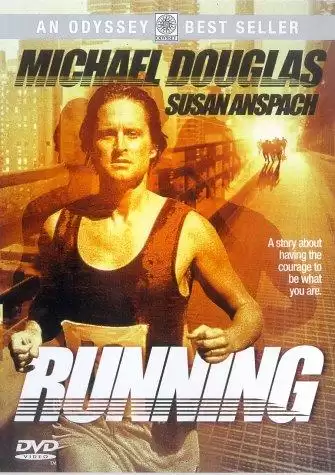
A similarly dated marathon drama called Running stars Michael Douglas as Michael Andropolis and was shot partly around Montreal Olympic sites. What gives the premise weight is its refusal to let a number, score or public verdict serve as a complete account of the experience. Distance running places an athlete's private judgment about pace, injury and fatigue against a clear external measurement, making the gap between preparation and result unusually stark. The circumstances described in The Runner are shaped by the decisions available to its participants, which are not necessarily the same decisions made by the people managing the wider sporting world. That background makes the premise recognizably about this sporting world, not merely a convenient route to suspense.
The Shelf · Movies
The Runner
The file identifies a 1979 film as The Runner, but this title-year combination is not securely identified as a distinct sports film. Keep the record on editorial hold rather than silently treating Running as the same movie. The distinctive setting of The Runner makes those pressures visible rather than leaving them as vague ideas about success.
The Gist
Why it caught our attention
The Details
Quick facts

At A Glance
The file identifies a 1979 film as The Runner, but this title-year combination is not securely identified as a distinct sports film. Keep the record on editorial hold rather than silently treating Running as the same movie. The distinctive setting of The Runner makes those pressures visible rather than leaving them as vague ideas about success.

About This Shelf Item
About The Runner
No film-specific plot, cast, or scenes should be assigned to The Runner until the correct work is verified by a distributor or film archive. In The Runner, the storytelling gains depth by placing ordinary decisions beside moments that audiences have learned to regard as decisive. Rather than treating the sporting result as self-explanatory, the film invites attention to the circumstances that make that result matter to the people involved. The event at the heart of The Runner does not by itself explain how every participant understands its meaning, nor does it settle the film's larger questions. The perspective of The Runner also changes depending on whether the audience identifies with the central figure, an opponent, or the institution watching both. The particular pressures surrounding The Runner therefore matter as much as the event used to organize its narrative. The choices people make before the public moment matter at least as much as the moment itself, because they show which options were realistically available. The tension is in that accumulation of circumstances rather than in the expectation that a finish line will automatically create resolution.

Why It Belongs
The Sport Connection
The identification issue itself exposes how inaccurate catalog titles can corrupt film metadata, posters, related posts and search results. Large races are also civic systems, relying on permissions, safe routes, volunteers, medical services and spectators whose participation shapes the meaning of the day. Any meaningful sport-business reading has to identify the choices made by people who control facilities, budgets, playing opportunities and public narratives. Those choices affect the apparent sporting outcome even when they happen off camera. No amount of personal resolve makes such structural questions disappear. The industry perspective therefore has to look beyond the protagonist’s immediate objectives and ask which relationships are sustainable.

Our Recommendation
Why Watch The Runner
Keep the record on editorial hold rather than silently treating Running as the same movie. Viewers who know the sport will recognize the underlying environment; newcomers can approach it through the human consequences of its rules and customs. The useful response is not automatic admiration, but close attention to the particular pressures captured in this story. Even when The Runner follows a familiar pattern, its details of place and interaction decide whether the world feels particular rather than assembled from sports-film conventions.
Final Thoughts
Arash's Final Thoughts
For The Runner, the central management question is not whether someone deserves admiration but which institutions make the situation possible and how they might respond differently. There is no need to force a universal lesson from events that are rooted in a specific sporting culture and historical moment. Its relevance survives because the business, community and personal dimensions of sport continue after the scoreboard is cleared.
Keep Exploring
Similar Movies on The Shelf


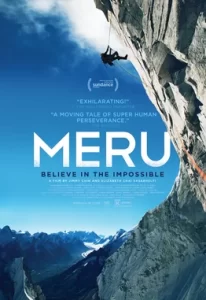

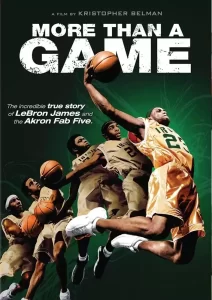

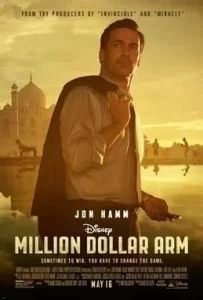


Same sport
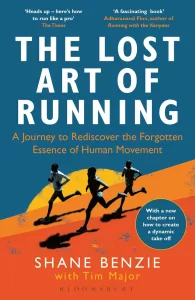
More Running on The Shelf




Stay in the loop
Follow SPMA
New jobs, interviews and sport-industry news in your feed.






74273347 new jobs in sport this week
Teams, leagues, agencies and brands in Canadain the USAin Canada & the USA are hiring. Find your next role, or let new ones come to you.
Just posted
 Digital Content & Social Media InternSport Management Hub · Toronto, ON★ Featured
 Team Leader Swim LessonsYMCA of Greater Toronto · Scarborough, ON2 hours ago
 Sport Medicine PhysicianBrock University · St. Catharines, ON5 hours ago
 Athlete Highlight SpecialistBrodie Rec League · Seattle, WA14 minutes ago
 Lead Quantitative Analyst, On-Field StrategyPhiladelphia Phillies · Philadelphia, PA34 minutes ago
 Application DeveloperNational Football League (NFL) · New York, NY2 hours ago
- Digital Content & Social Media InternSport Management Hub · Toronto, ON★ Featured
- Athlete Highlight SpecialistBrodie Rec League · Seattle, WA14 minutes ago
- Lead Quantitative Analyst, On-Field StrategyPhiladelphia Phillies · Philadelphia, PA34 minutes ago
