The Shelf · TV Series

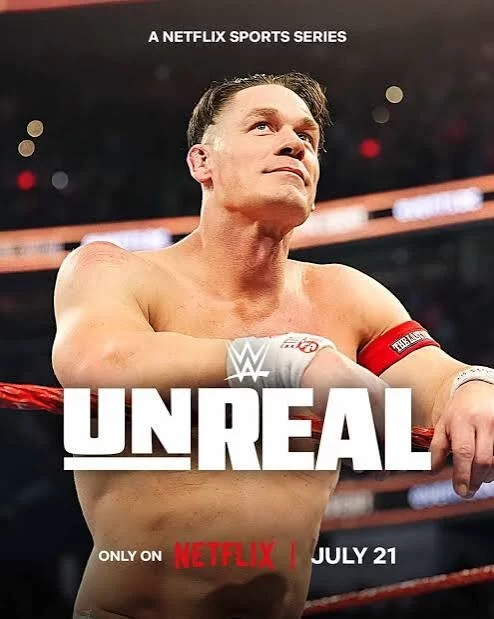
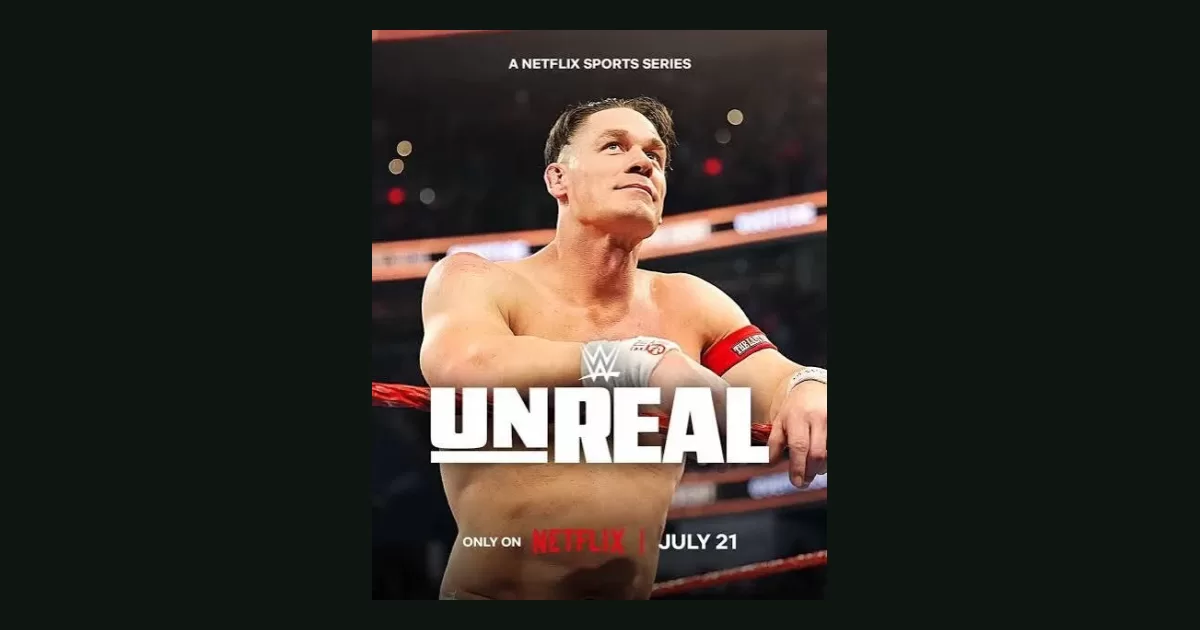
WWE: Unreal

Released 2025Curated by SPMA Hub because sport culture lives beyond the field.

WWE: Unreal shifts attention from the rivalry in front of the crowd to the people deciding what that rivalry should become. Its first season follows WWE's creative and physical work toward WrestleMania 41, making the construction of spectacle the central sporting subject.

Alex Bennett
Covered by Alex Bennett
The Shelf
WWE: Unreal
WWE: Unreal
The Gist Of WWE: Unreal

The Gist

Why it caught our attention

The 2025 documentary series enters a business built on carefully managed disclosure. Audiences know professional wrestling combines planned outcomes with demanding athletic performance, but knowledge of the arrangement does not explain how a character turn, a match or a career opportunity gets assembled. The programme opens that process to a wider audience.

Paul Levesque, known to wrestling fans as Triple H, supplies a prominent perspective from creative leadership. John Cena, Cody Rhodes, Rhea Ripley and other performers bring the discussion back to bodies and reputations. This overview concerns the first season, whose movement toward WrestleMania gives its backstage decisions a specific destination.

The Details

Quick facts

Format
TV Series
Released
2025
Relevant Sport
Wrestling

At A Glance

WWE: Unreal shifts attention from the rivalry in front of the crowd to the people deciding what that rivalry should become. Its first season follows WWE's creative and physical work toward WrestleMania 41, making the construction of spectacle the central sporting subject.

About This Shelf Item

About WWE: Unreal

Cena's change of character provides an especially useful example of wrestling's unusual relationship with trust. A performer can have years of audience goodwill invested in a recognisable identity. Changing that identity is a creative decision, a commercial gamble and a challenge to the audience's understanding of who the performer has been.

The writers' room is consequently more than a place where dialogue is produced. It allocates opportunities, decides which relationships receive attention and connects individual appearances to a continuing story. A successful idea must survive contact with the performers' abilities, the timetable of major events and the audience's response once it becomes public.

The series also makes an essential distinction possible: a planned result does not make the physical performance imaginary. Wrestlers must deliver movement, timing and character together. Their opponents are collaborators in creating an event that should feel combative. The work depends on cooperation that the finished spectacle is designed to conceal.

The first season also follows Charlotte Flair returning from injury and Chelsea Green pursuing a title opportunity. Those different situations show why the creative plan cannot be separated from individual careers: a return, a breakthrough and a veteran’s reinvention require different kinds of attention.

Why It Belongs

The Sport Connection

For sport management, the particularly revealing question is how an organisation coordinates athletic labour with intellectual property. WWE develops names, images and narrative histories that can accumulate value over many years. The person performing a character and the company organising that character's future do not occupy identical positions, even when their immediate goals overlap.

Its treatment of audience reaction also belongs to a broader discussion of live entertainment. A crowd can reinforce a storyline or complicate it through unexpected enthusiasm and rejection. Creative leadership may control the planned direction, but public attachment is less obedient. The relationship between scripting and reception is therefore central to wrestling's business, not an incidental complication.

Access needs to be considered alongside authorship. WWE is involved in producing the documentary, and Netflix has a commercial relationship with the company. The series can reveal meaningful backstage work while remaining a carefully presented account of the organisation. A useful reading asks what the chosen disclosures clarify and what kinds of institutional questions remain outside the frame.

Our Recommendation

Why Watch WWE: Unreal

WWE: Unreal is most interesting for viewers curious about how sporting personalities become continuing entertainment properties. Familiarity with every wrestler is unnecessary, although existing fans can connect backstage decisions to moments they encountered as spectators. The first season offers a practical way to discuss promotion, collaborative performance and the labour required to make a surprise look spontaneous rather than administratively planned.

Alex Bennett

Final Thoughts

Alex's Final Thoughts

The programme's strongest proposition is that explaining part of the mechanism need not destroy the attraction. Seeing the creative machinery can make the performers' task more complicated and more impressive. Its value lies in examining that machinery carefully, while remembering that an authorised backstage story is itself another piece of WWE storytelling.