





Golf differs from team sports in the way competitors often carry the financial cost of establishing their careers. Travel, coaching, accommodation and tournament entries can become substantial expenses long before prize money is reliable. Golf Channel's The Big Break, which debuted in 2003, tried to create an alternative route through a television contest. Early seasons brought aspiring professionals together for skills challenges with opportunities such as entry exemptions into tour events at stake. The program was entertaining because one missed shot could change a participant's future. It was also a business proposition: the network created a sports entertainment product by offering something scarce in the competitive golf marketplace, namely a chance to enter events that could lead to greater visibility.
The Shelf · TV Series
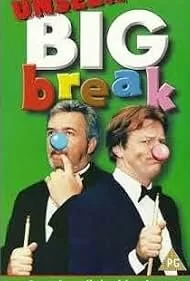
The Big Break
The Big Break is Golf Channel's reality competition in which aspiring golfers face skills challenges and elimination rounds in pursuit of professional opportunities. Its format makes a familiar career problem visible: exceptional ability is necessary, but access to tournaments and an audience can determine whether that ability becomes a profession.

The Gist
Why it caught our attention
The Details
Quick facts
- Format
- TV Series
- Released
- 2003
- Genre
- Documentary
- Relevant Sport
- Golf

At A Glance
The Big Break is Golf Channel's reality competition in which aspiring golfers face skills challenges and elimination rounds in pursuit of professional opportunities. Its format makes a familiar career problem visible: exceptional ability is necessary, but access to tournaments and an audience can determine whether that ability becomes a profession.

About This Shelf Item
About The Big Break
The original season assembled competitors with serious golfing aspirations rather than celebrities pretending to be tour players. Contestants faced tests designed to isolate particular skills, and an elimination structure narrowed the field. Golf Channel's contemporary coverage described the challenges and the prize opportunities, including entries into Canadian Tour events. That mechanism made the outcome meaningful beyond television. An aspiring golfer could receive access that might otherwise depend on qualifying procedures, sponsorship or continued self-funding. Nevertheless, a short skills challenge does not reproduce every demand of a full competitive tournament. The ability to execute one shot under studio-style pressure is useful information, but it is not a complete measure of competitive consistency.

Why It Belongs
The Sport Connection
For sport administrators, the distinction between exposure and sustainable opportunity is fundamental. A televised contest may provide a start, but an athlete's development continues through coaching, financial planning and appropriate scheduling. Tournament exemptions have value because they allow a player to compete in a setting where performance can lead to more opportunities. Their value is limited if the athlete cannot fund travel or access adequate preparation. Governing bodies and tours should consider how pathways support competitors who lack family resources or major sponsors. The Big Break also prompts questions about selection criteria and whether participants understand the rights and obligations associated with appearing on a reality program.

Our Recommendation
Why Watch The Big Break
Golf Channel's format illustrates how media organizations can become part of the development ecosystem. A broadcaster gains entertaining content; a tour may gain additional attention; an athlete gains a platform. Those interests can align, but they need active management. A participant who makes compelling television is not always the person best positioned to succeed across a full season, and the public may confuse elimination from a show with a verdict on professional potential. Producers should be careful about that gap. A sports manager advising a player must ask what the exposure could achieve and what costs it might impose on the player's training or reputation. That conversation matters more than the edited suspense before a final shot.
Participants compete under a format designed for television, not a full professional tournament schedule. That difference matters. Viewers should resist treating success in a series of short challenges as a complete measurement of competitive ability. For talent evaluators, the lessons concern composure and adaptability more than a definitive ranking of golfers.
Final Thoughts
Arash's Final Thoughts
The Big Break belongs on the Shelf because it makes access to professional golf an explicit part of the entertainment. It is an example of how broadcasters can influence career pathways, not just report on them. The series should be enjoyed as a contest while its limitations remain clear. For a future golf executive or athlete representative, the central question is whether a short opportunity has been connected to the resources and planning required for a lasting career. Opening a door is valuable; helping someone walk through it is a different responsibility.
Related organizations

Keep Exploring
Similar TV Series on The Shelf


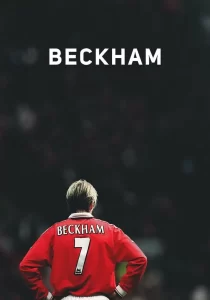
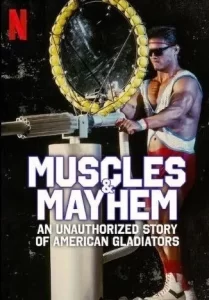
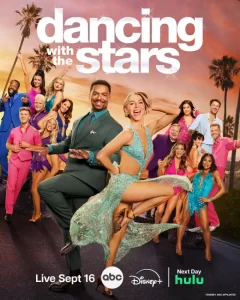

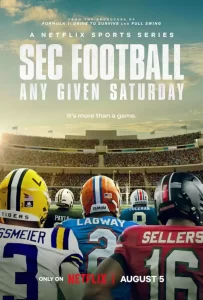

Same sport
More Golf on The Shelf







Stay in the loop
Follow SPMA
New jobs, interviews and sport-industry news in your feed.






58225283 new jobs in sport this week
Teams, leagues, agencies and brands in Canadain the USAin Canada & the USA are hiring. Find your next role, or let new ones come to you.
Just posted
 Policy Analyst & Committee LeadSport, Physical Activity and Recreation Council (SPARC) · within Canada3 hrs ago
 Head Coach, Synchro 9 National TeamSkate Canada · Ottawa, ON3 hrs ago
 Analyst | AnalysteOttawa Rapid FC · Ottawa, ON4 hrs ago
 2027 Summer Camp InternFirst Tee · Richmond, VA6 hrs ago
 Triple-a Athletic TrainerDetroit Tigers · Toledo, OH7 hrs ago
 Development CoachHouston Astros · Houston, TX7 hrs ago
- Policy Analyst & Committee LeadSport, Physical Activity and Recreation Council (SPARC) · within Canada3 hrs ago
- Head Coach, Synchro 9 National TeamSkate Canada · Ottawa, ON3 hrs ago
- Analyst | AnalysteOttawa Rapid FC · Ottawa, ON4 hrs ago
