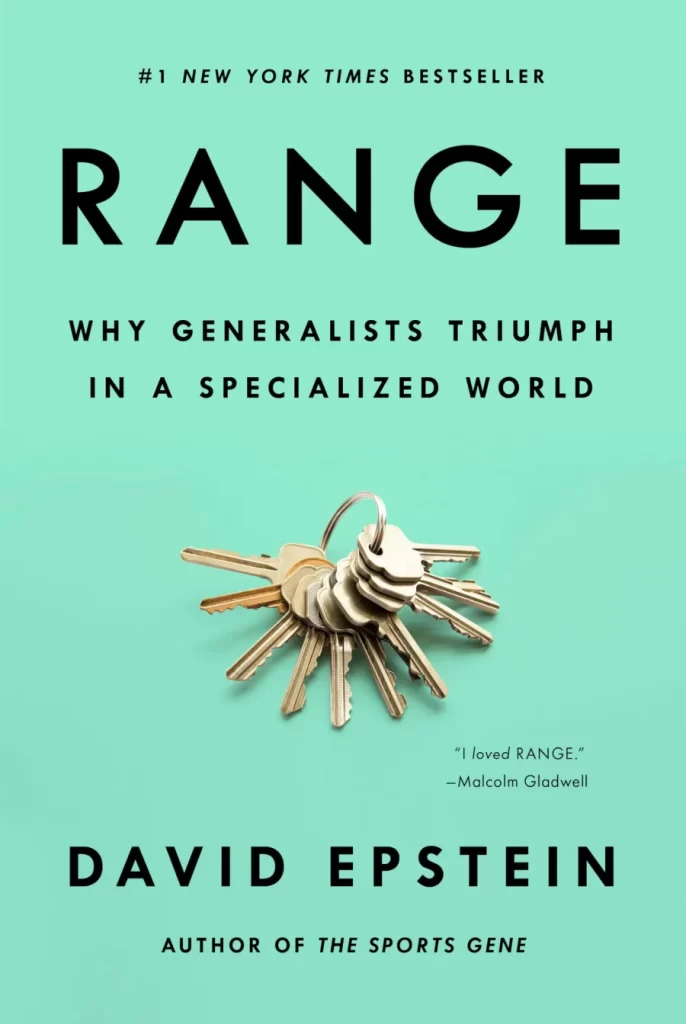
Youth-sport pathways often encourage families to decide early which activity a child should pursue most seriously. The language is familiar: focus, repeat, fall behind nobody. In Range: Why Generalists Triumph in a Specialized World, David Epstein argues that this advice is less universal than it sounds. He contrasts highly specialized development stories with athletes who tried several activities before settling on one, then extends the discussion into science, music and professional work.
The book's well-known opening contrast between Tiger Woods and Roger Federer is effective because both achieved extraordinary success by different routes. Epstein is not claiming that early specialization never works. His question is whether a narrow pathway is the best default when people are learning what interests them and which capabilities may transfer between environments. For sport managers, that is an organizational design question, not only a parenting debate.