The Shelf · Books

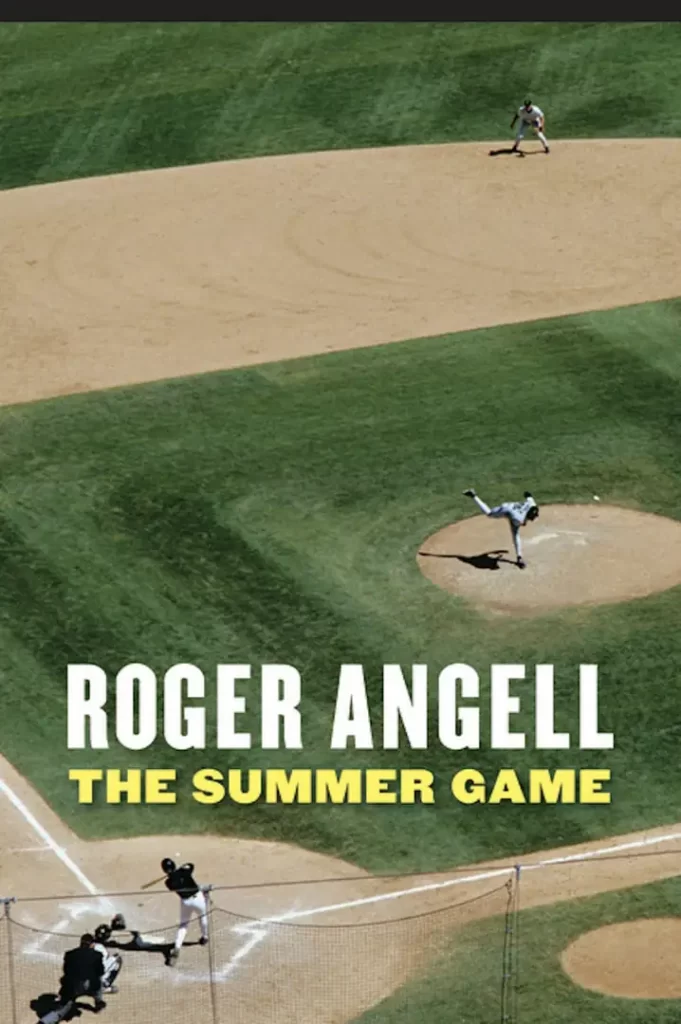
The Summer Game

By Roger AngellReleased 1972Curated by SPMA Hub because sport culture lives beyond the field.

Roger Angell watches baseball closely enough for a familiar play to become interesting again. The Summer Game gathers his writing from a decade when teams moved, television grew and the sport changed around its enduring rituals. His attention reaches from great players to ordinary spectators, capturing how a game can remain recognizable while the experience of following it is transformed.

Arash Sayed
Covered by Arash Sayed
The Shelf
The Summer Game

The Gist

Why it caught our attention

First published in 1972, the collection brings together baseball essays Angell wrote for The New Yorker between 1962 and 1971. Its span begins with the expansion Mets and extends to the World Series between Pittsburgh and Baltimore. The years provide a setting in motion, with new markets and ballparks altering the game's geography.

Angell writes with the freedom to return to an experience after the immediate result is known. That distance allows a game to become more than the answer to who won. A movement, a crowd's response or an unexpected attachment can receive the attention that the daily rush toward the next contest often makes difficult.

The Details

Quick facts

Format
Book
Author
Roger Angell
Published
1972
ISBN
9780803259515
Relevant Sport
Baseball

At A Glance

Roger Angell watches baseball closely enough for a familiar play to become interesting again. The Summer Game gathers his writing from a decade when teams moved, television grew and the sport changed around its enduring rituals. His attention reaches from great players to ordinary spectators, capturing how a game can remain recognizable while the experience of following it is transformed.

About This Shelf Item

About The Summer Game

The players remain vividly individual. Willie Mays, Sandy Koufax, Bob Gibson and Roberto Clemente appear within a sport whose pleasures depend on differences in skill and style. Angell's interest in those distinctions gives the essays an observational precision. The reader is invited to notice how excellence looks and why certain performances stay in the memory.

The settings carry their own meaning. Baseball in Montreal, the indoor environment of the Astrodome and spring training in Florida offer different versions of the same game. These places make the sport's expansion tangible. A relocated franchise or new facility changes not only a business map but also the surroundings in which people learn to care.

The struggling early Mets are especially useful to Angell's account of spectatorship. Their appeal makes it difficult to explain fandom solely as an appetite for winning. Supporters can form attachments through shared frustration, humour and repeated attendance. The experience has a texture that a league table cannot fully describe, even when that table is impossible to ignore.

Why It Belongs

The Sport Connection

The Summer Game offers an unusually perceptive approach to the audience side of professional sport. Angell pays attention to what spectators actually experience, including the small satisfactions that survive a disappointing result. His essays suggest why a club's relationship with its public cannot be reduced to the most obvious measures of competitive success.

At the same time, affection does not make him indifferent to commercial decisions. Franchise movement, television and the design of the Astrodome belong to the world he examines. The business of baseball is present through its consequences for the game and its followers. That perspective is useful for administrators because it keeps change connected to the people who must live with it, rather than treating expansion or novelty as achievements in themselves.

Our Recommendation

Why Read The Summer Game

Baseball readers will find a detailed record of a consequential decade, but the collection also serves writers and communications students interested in sustained observation. Angell demonstrates how description can make familiar activity newly legible. His patience with a play or a spectator's response gives the reader time to understand why it matters.

The essays are also rewarding for anyone interested in the experience of fandom. Their pleasure comes from curiosity as much as nostalgia. Angell keeps looking, including when the game moves into an unfamiliar setting or the expected winner falters. That willingness to be surprised helps the collection remain inviting beyond the particular seasons it records.

Arash Sayed

Final Thoughts

Arash's Final Thoughts

The Summer Game preserves baseball through the act of paying attention. Angell understands that the sport's history resides in bodies, places and remembered afternoons as well as official results. His essays make change visible without surrendering the pleasure of watching. The enduring invitation is simple and exacting: stay with the game long enough to discover what a hurried account would leave out.