





The United States victory over the Soviet Union at Lake Placid carries an enormous symbolic burden. Cold War politics made the game stand for competing national systems, while the contrast between the teams encouraged an irresistible underdog story. Coffey's 2005 account brings individual lives into that familiar frame. The achievement remains remarkable, but the people involved become more than representatives of an argument about two countries.
The Shelf · Books
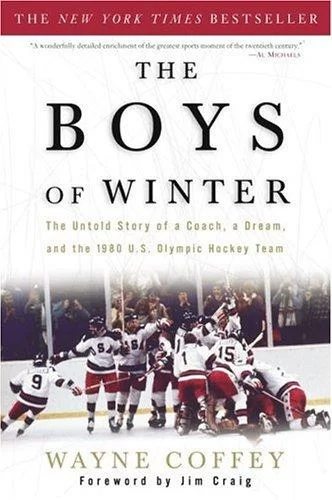
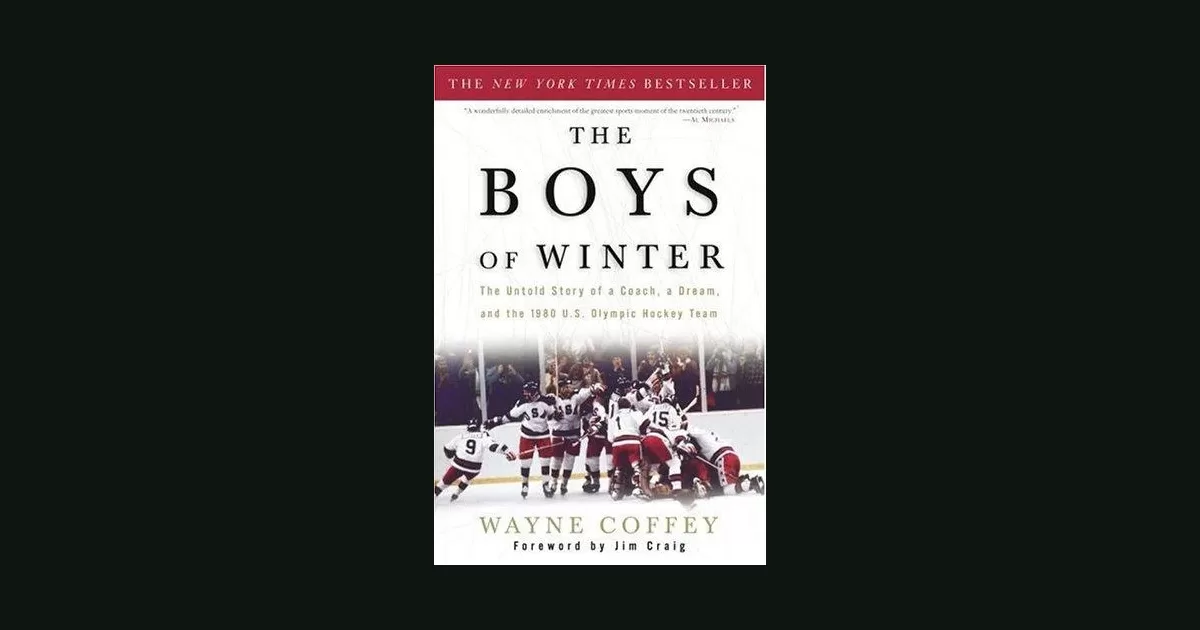
The Boys of Winter
By Wayne CoffeyReleased 2005Curated by SPMA Hub because sport culture lives beyond the field.
The Boys of Winter returns the 1980 American Olympic hockey team to human scale. Wayne Coffey revisits a result so thoroughly absorbed into national memory that its participants can seem like characters in a ready-made legend. His book asks readers to look again at the players, their Soviet opponents and the preparation behind a night that later generations often know only through its final moments.

The Shelf
The Gist
Why it caught our attention
The Details
Quick facts
- Format
- Book
- Author
- Wayne Coffey
- Published
- 2005
- Genre
- Non-Fiction
- Relevant Sport
- Hockey

At A Glance
The Boys of Winter returns the 1980 American Olympic hockey team to human scale. Wayne Coffey revisits a result so thoroughly absorbed into national memory that its participants can seem like characters in a ready-made legend. His book asks readers to look again at the players, their Soviet opponents and the preparation behind a night that later generations often know only through its final moments.

About This Shelf Item
About The Boys of Winter
Coach Herb Brooks occupies a central place because the American side had to become a working team in a limited period. Bringing talented players together does not automatically produce trust or a coherent style. Their existing habits and loyalties had to be fitted to a shared task. The book's attention to those relationships gives the reader something more substantial than the suggestion that an inspired speech can explain an extraordinary result.
Coffey also includes the experience of the Soviet side. That choice is crucial. A cherished victory for one group is a devastating defeat for another, and the losing athletes do not cease to be skilled people because they occupy the wrong side of a national celebration. Recognising their perspective makes the sporting achievement more precise: the Americans defeated a formidable opponent, not an abstract symbol with no life outside the contest.

Why It Belongs
The Sport Connection
For SPMA readers, the book raises a useful distinction between building a team and building a story about a team. The first involves selection, preparation and difficult daily relationships. The second often condenses those processes into a handful of images. Both can shape a sport's public life, but they serve different purposes. A responsible account of the event should preserve some of the complexity that a commemorative highlight package necessarily leaves out.
The aftermath also matters. An athlete can become permanently associated with one result while continuing to live through work, family and change. That gap between a public identity frozen in celebration and a private life still unfolding is important for alumni relations, event anniversaries and athlete support. Honouring a historic team need not mean expecting its members to remain exactly the people spectators remember from a single winter evening.

Our Recommendation
Why Read The Boys of Winter
Hockey fans will find the book particularly rewarding if they want the event placed back inside a game rather than left at the level of mythology. It helps to remember that the Soviet victory was not itself the final gold-medal clincher; the Americans still had Finland to face. The larger campaign makes the celebrated upset part of a demanding sequence rather than a magically self-contained ending.
Readers outside hockey can approach it as a study of how collective memory is made. Familiarity with the outcome does not remove the interest because the question is no longer simply who will win. It becomes how people arrived at that point, what the result meant to them and how later retellings changed its significance. Those questions remain open even when the score is known in advance.
Final Thoughts
Alex's Final Thoughts
The Boys of Winter preserves the excitement of the American achievement while giving it a less flattened setting. Coffey's attention to lives on both sides of the ice makes the event richer, not smaller. On the SPMA shelf, it offers a compelling example of sport history that can honour an extraordinary result without confusing a powerful national memory with the whole human story.
Keep Exploring
Similar Books on The Shelf






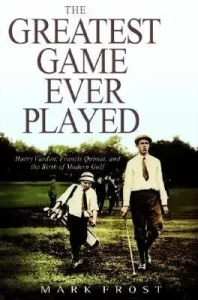



Same sport
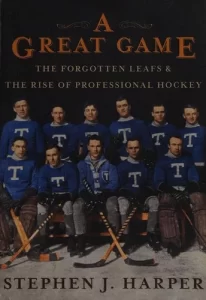
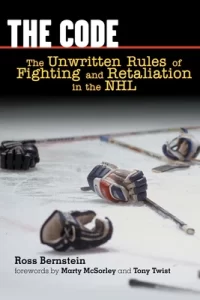
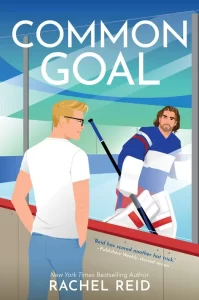
More Hockey on The Shelf
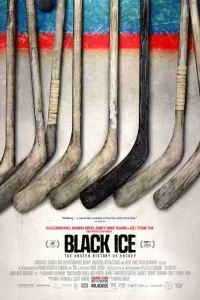
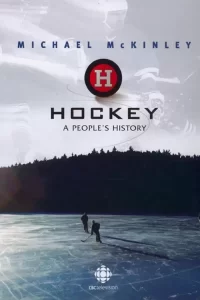





Stay in the loop
Follow SPMA
New jobs, interviews and sport-industry news in your feed.






Hiring now on Sports Hired
58225283 new jobs in sport this week
Teams, leagues, agencies and brands in Canadain the USAin Canada & the USA are hiring. Find your next role, or let new ones come to you.
3701,0541,424 open jobs3,8668,20712,073 organizations
Just posted
 Policy Analyst & Committee LeadSport, Physical Activity and Recreation Council (SPARC) · within Canada3 hrs ago
 Head Coach, Synchro 9 National TeamSkate Canada · Ottawa, ON3 hrs ago
 Analyst | AnalysteOttawa Rapid FC · Ottawa, ON4 hrs ago
 2027 Summer Camp InternFirst Tee · Richmond, VA6 hrs ago
 Triple-a Athletic TrainerDetroit Tigers · Toledo, OH7 hrs ago
 Development CoachHouston Astros · Houston, TX7 hrs ago
- Policy Analyst & Committee LeadSport, Physical Activity and Recreation Council (SPARC) · within Canada3 hrs ago
- Head Coach, Synchro 9 National TeamSkate Canada · Ottawa, ON3 hrs ago
- Analyst | AnalysteOttawa Rapid FC · Ottawa, ON4 hrs ago
Copied
