The Shelf · Books

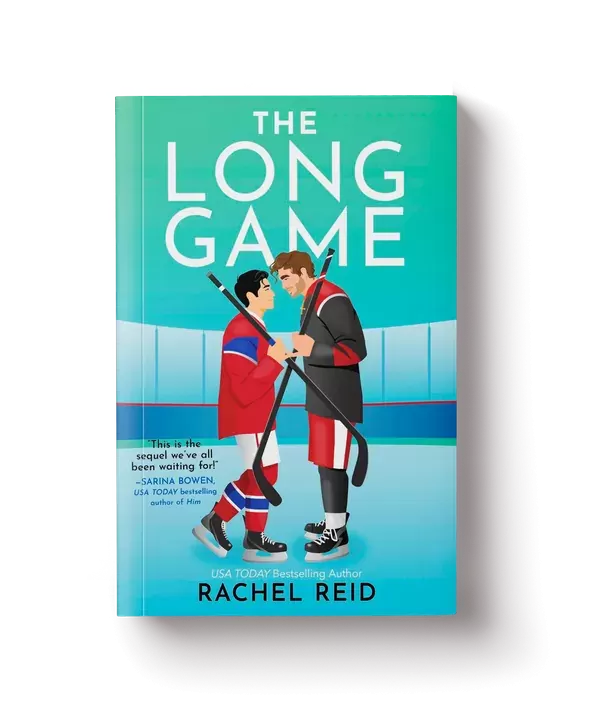
The Long Game

By Rachel ReidReleased 2022Curated by SPMA Hub because sport culture lives beyond the field.

The arrangement that allows Shane Hollander and Ilya Rozanov to be together has become a source of strain. In The Long Game, Rachel Reid returns to the couple from Heated Rivalry and asks what years of concealment demand from each man, especially when they are no longer paying the same price.

Arash Sayed
Covered by Arash Sayed
The Shelf
The Long Game
The Long Game
The Gist Of The Long Game

The Gist

Why it caught our attention

First published in 2022, the sixth Game Changers novel continues a relationship that has lasted a decade. Shane remains with Montreal. Ilya has moved to Ottawa to be closer to him, accepting a different sporting situation in exchange for the possibility of more time together. Their off-season intimacy gives way to separation when hockey resumes.

Heated Rivalry is the essential starting point for their story. The Long Game changes its focus from discovering an attachment to living with the conditions surrounding it. The feelings are established. What remains unsettled is whether the careful compromises that once made the relationship possible can sustain the lives they now want.

The Details

Quick facts

Format
Book
Author
Rachel Reid
Published
2022
Genre
Fiction
Relevant Sport
Hockey

At A Glance

The arrangement that allows Shane Hollander and Ilya Rozanov to be together has become a source of strain. In The Long Game, Rachel Reid returns to the couple from Heated Rivalry and asks what years of concealment demand from each man, especially when they are no longer paying the same price.

About This Shelf Item

About The Long Game

Ilya's move has shortened the distance between their homes without giving him an ordinary public relationship. Shane has family, familiar teammates and a successful club around him. Ilya is still adjusting to his new life in Ottawa, and the person he most wants to turn to is often elsewhere. Their commitment is mutual, but the surrounding support is uneven.

Reid gives Ilya's depression and decision to seek therapy their own space within the story. His humour and abrasive confidence can coexist with serious distress. That distinction changes how his earlier behaviour reads: being able to entertain teammates or provoke an opponent does not mean that the rest of his life is working.

Shane also faces pressure from the fictional league commissioner, Roger Crowell, over player activism. Those exchanges place an identifiable source of authority behind the fear of becoming publicly inconvenient. The concern is no longer just what unnamed spectators might think. People with positions inside the sport have expectations about how its players should behave.

In a publication interview, Reid described wanting to examine Ilya's adjustment to his new life more closely. The sequel accordingly shifts the weight of the first book's familiar contrast. The apparently more confident partner now needs his difficulties understood, and Shane has to recognise what that asks of him.

Why It Belongs

The Sport Connection

The difference between Montreal and Ottawa is one of the novel's most telling sporting choices. Montreal offers Shane success and a strong sense of professional obligation. Ottawa gives Ilya a more welcoming team environment, despite its weaker competitive position. The standings cannot describe everything either workplace asks of its players.

Shane's caution is understandable within the career he has built, but it has consequences for Ilya. Keeping the relationship private can feel like preserving something precious to one partner and like being kept at a distance to the other. Reid lets that disagreement develop without making either man stop loving the person whose decisions are hurting him.

The supporting relationships matter for the same reason. Ilya needs people he can speak to without every conversation depending on access to Shane. His therapy and friendships widen the story beyond the assumption that a sufficiently devoted partner can meet every need. The romance grows more convincing when care includes recognising what the relationship cannot provide on its own.

Our Recommendation

Why Read The Long Game

The Long Game is rewarding because the sequel takes its predecessor's compromises seriously enough to examine their cost. There is still banter, physical intimacy and competitive pleasure, including the All-Star skills setting. Those familiar elements now sit beside fatigue with a way of living that has required constant calculation.

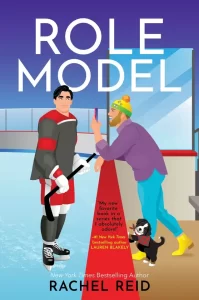
Readers who have followed the wider Game Changers series will recognise connections with Role Model and Ottawa's developing circle of relationships. The centre remains Shane and Ilya. Their problem is intimate and practical: how to make room for each other in the part of life that continues after a stolen weekend or an off-season stay ends.

Arash Sayed

Final Thoughts

Arash's Final Thoughts

The Long Game measures progress through the life Shane and Ilya can actually share. Remaining together has required effort for years; that effort no longer makes every restriction acceptable. Reid's sequel allows them to question an arrangement they once chose, giving their commitment substance by asking whether it can change when one of them can no longer live comfortably inside it.