The Shelf · Books

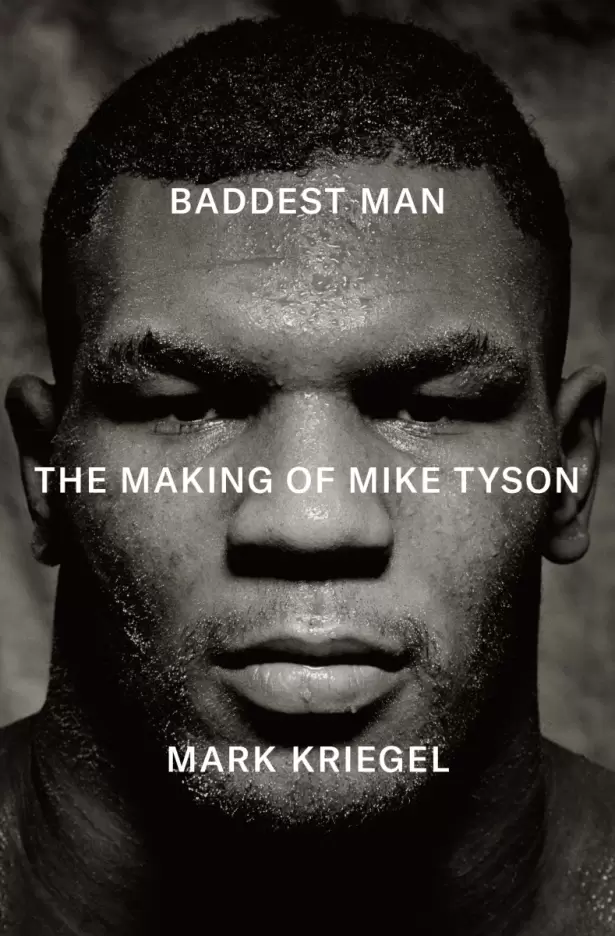
Baddest Man: The Making of Mike Tyson

By Mark KriegelReleased 2025Curated by SPMA Hub because sport culture lives beyond the field.

Mike Tyson's early career produced an image so powerful that the person behind it often disappeared. In Baddest Man, Mark Kriegel examines the making of that image, following the relationships, commercial interests and damaged circumstances surrounding a young heavyweight. The result is a biography concerned with who shaped Tyson and what they stood to gain.

Arash Sayed
Covered by Arash Sayed
The Shelf
Baddest Man: The Making of Mike Tyson

The Gist

Why it caught our attention

Published in 2025, Baddest Man concentrates on Tyson's formation and extraordinary ascent. Kriegel places the boxer within the world that discovered, trained, promoted and televised him, including the influence of trainer Cus D'Amato. The subject is therefore larger than a sequence of famous knockouts, even though boxing achievement remains central.

The book also returns to a particular media moment. Tyson's rise coincided with a powerful market for televised sporting personalities, and his public identity became a commercial asset. Reading the biography with that context in mind helps separate the fighter's performance from the story sold around him.

The Details

Quick facts

Format
Book
Author
Mark Kriegel
Published
2025
ISBN
9780735223400
Relevant Sport
Boxing

At A Glance

Mike Tyson's early career produced an image so powerful that the person behind it often disappeared. In Baddest Man, Mark Kriegel examines the making of that image, following the relationships, commercial interests and damaged circumstances surrounding a young heavyweight. The result is a biography concerned with who shaped Tyson and what they stood to gain.

About This Shelf Item

About Baddest Man: The Making of Mike Tyson

The relationship between Tyson and D'Amato is essential to the account. A trainer can provide technical instruction, shelter, discipline and a sense of possibility, but those roles do not automatically carry equal accountability. The closeness of such a relationship makes it necessary to ask how care and control operated together.

Kriegel also examines the contrast between Tyson's difficult childhood and the wealth surrounding his success. By the time of the Michael Spinks fight, the heavyweight champion occupied a world of celebrity, enormous purses and intensely profitable spectacle. The distance between those settings is part of the biography's subject, not proof that money resolved everything that preceded it.

The book's attention to exploitation should not be confused with an exemption from personal responsibility. A useful reading can hold two questions together: what happened to Tyson, and what did Tyson do? Biography becomes less illuminating when either question is allowed to erase the other. Kriegel's focus on the making of a public figure provides material for considering both without reducing a complicated life to a promotional identity.

Why It Belongs

The Sport Connection

For sport-business readers, Baddest Man is particularly relevant to athlete representation and the economics of spectacle. Tyson's appeal generated opportunities for promoters, broadcasters and other people around him. That commercial ecosystem makes the distribution of power as important as the size of the payday.

The biography also invites scrutiny of the stories used to market young athletes. A compelling account of rescue and transformation can make an audience feel that it already understands a person. Once that account becomes profitable, there may be less incentive to notice details that complicate it. Tyson's rise offers a forceful setting in which to examine that problem.

Managers and students can use the book to discuss what meaningful support would require when an athlete's earning power develops faster than his independence. The relevant questions concern advice, oversight, education and the ability to challenge interested adults. They arise from this particular boxing history rather than from a generic list of leadership virtues.

Our Recommendation

Why Read Baddest Man: The Making of Mike Tyson

Read Baddest Man if you want a biography that places the boxing industry inside the athlete's story. It is a strong fit for readers interested in the construction of celebrity, the responsibilities of mentors and the racial meanings attached to sporting fear and power.

The material includes difficult circumstances and troubling conduct, so its value does not depend on finding an uncomplicated hero. Readers who are prepared to examine admiration critically will have more to work with than those seeking only a celebration of Tyson's talent or a record of his biggest fights.

Arash Sayed

Final Thoughts

Arash's Final Thoughts

Baddest Man matters because making a champion is never only a technical achievement. Kriegel's subject forces attention to the adults, institutions and audiences involved in that process. Tyson's ability explains what he could do in a ring; understanding the life around it requires a harder examination of ambition, dependence, profit and responsibility.