
The Shelf · Books

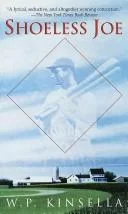
Shoeless Joe

By W. P. KinsellaReleased 1982Curated by SPMA Hub because sport culture lives beyond the field.

Shoeless Joe begins with a farmer's improbable act of faith: turning part of an Iowa cornfield into a baseball field. W. P. Kinsella uses that decision to open a novel in which sporting memory becomes tangible and the unfinished relationships of the past can return to the present.

Alex Bennett
Covered by Alex Bennett
The Shelf
Shoeless Joe
Shoeless Joe
The Gist Of Shoeless Joe

The Gist

Why it caught our attention

Published in 1982, the novel follows Ray Kinsella after a mysterious instruction draws him toward the game and its departed figures. Shoeless Joe Jackson gives the story its title and one of its central connections to baseball's contested memory.

The book later became the basis for Field of Dreams, but the novel deserves to be approached on its own terms. Its characters and imaginative range are not identical to the film's. Familiarity with the adaptation can provide an entry point without supplying a complete account of the original work.

The Details

Quick facts

Format
Book
Author
W. P. Kinsella
Published
1982
Genre
Fiction
Relevant Sport
Baseball

At A Glance

Shoeless Joe begins with a farmer's improbable act of faith: turning part of an Iowa cornfield into a baseball field. W. P. Kinsella uses that decision to open a novel in which sporting memory becomes tangible and the unfinished relationships of the past can return to the present.

About This Shelf Item

About Shoeless Joe

The field changes the meaning of the farm. Land ordinarily understood through practical use becomes a space for an apparently impossible encounter. Ray's commitment therefore has material consequences as well as symbolic ones. Belief is not presented as a private thought that leaves the surrounding life untouched.

Baseball is especially suited to this fantasy because its culture already keeps absent players present through stories, records and remembered gestures. Kinsella makes that figurative return literal. The novel asks what a person might do if the attachment that survives a career could become an actual meeting.

Family gives the sporting longing a deeper emotional structure. A game can carry memories of people with whom it was shared, including relationships that remain incomplete. Returning to baseball can therefore mean returning to a conversation or possibility that ordinary life no longer seems able to provide.

The novel also includes a fictionalised J. D. Salinger, a distinction worth preserving for readers who know the film's Terence Mann. That literary presence expands the story's interest in imagination and retreat from public life. The book does not simply summon baseball history; it creates encounters between different kinds of American cultural memory.

Why It Belongs

The Sport Connection

For sport management readers, Shoeless Joe offers a literary account of why sporting places matter beyond their immediate function. A field is not only a surface on which a game can be organised. It can become a container for memory, family connection and hopes that exceed the practical event.

That does not make the novel a business case for building facilities on faith. Its imagined logic should not be converted into a promise that demand will appear whenever an organisation creates a venue. The useful insight concerns emotional meaning, not a forecast of attendance or revenue.

The treatment of Jackson also requires a clear boundary between fiction and history. Kinsella's imaginative use of a real player is part of the novel's design, not a substitute for examining the historical record. Readers can appreciate the character's symbolic role without treating the story as documentary evidence about baseball's controversies.

Our Recommendation

Why Read Shoeless Joe

Shoeless Joe suits readers who welcome fantasy within a recognisable sporting world. Baseball provides the language and setting, while the larger concerns include longing, trust and the possibility of reconciliation.

It is particularly rewarding for readers who want to examine why the sport lends itself so readily to stories about the past. The game has a substantial factual archive, but its emotional force often comes from individual memories that no statistic can recover. Kinsella works in the space between those forms of remembrance.

Alex Bennett

Final Thoughts

Alex's Final Thoughts

The lasting attraction of Shoeless Joe is not simply that famous players return. It is that a familiar game becomes a way to approach something unfinished in ordinary life. Kinsella's field gives memory a physical place and asks what people are willing to risk to enter it. For SPMA readers, the novel illuminates the personal attachments that sit beneath sport's public events and commercial structures.