The Shelf · Music

Catfish

By Bob DylanReleased 1991Curated by SPMA Hub because sport culture lives beyond the field.

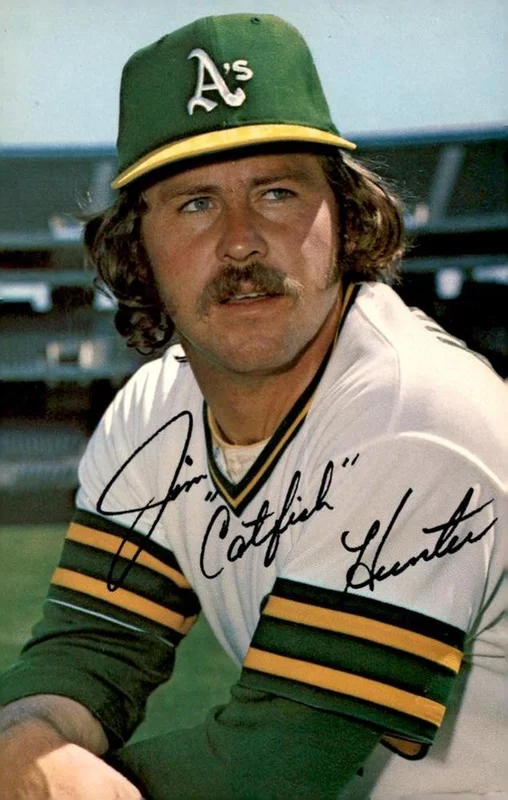
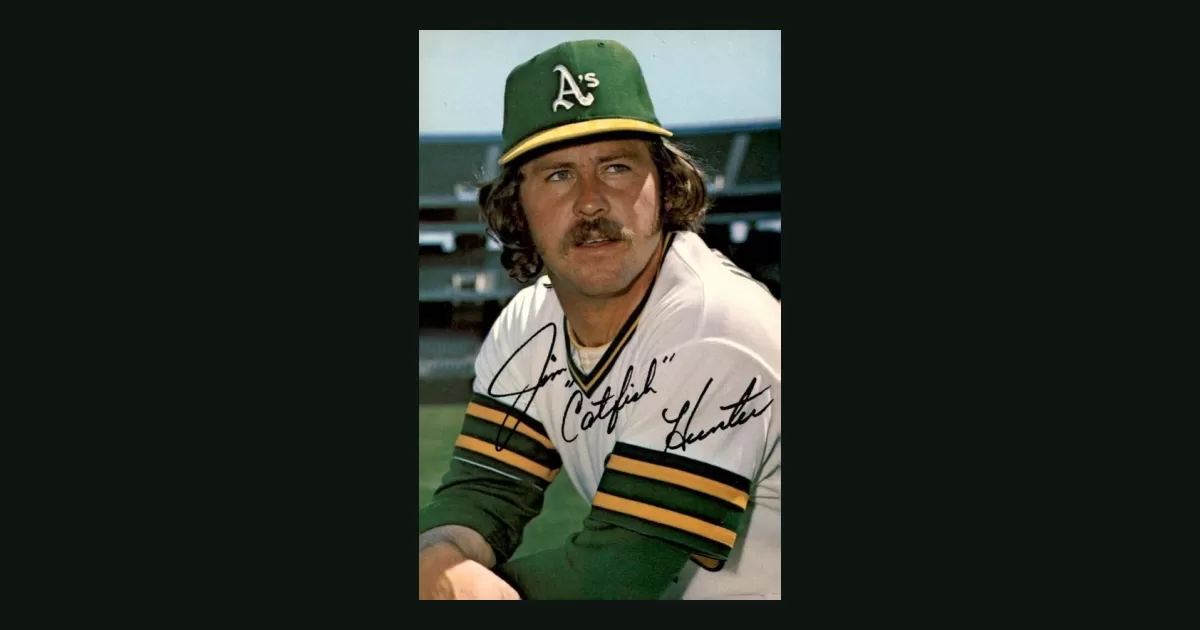
Bob Dylan and Jacques Levy wrote Catfish around Jim 'Catfish' Hunter's move from Oakland to the Yankees. The song turns a baseball contract dispute into a folk portrait of player mobility.

Alex Bennett
Covered by Alex Bennett
The Shelf
Catfish by Bob Dylan
Catfish
The Gist Of Catfish

The Gist

Why it caught our attention

When Bob Dylan wrote Catfish with Jacques Levy in the mid-1970s, pitcher Jim Hunter had become one of baseball's most consequential free-agent cases. Hunter's departure from the Oakland Athletics after a contract dispute, followed by his move to the New York Yankees, was more than another roster change. It exposed the way a player's relationship with his employer could reshape the financial landscape of the sport.

Dylan's recording remained unreleased for years. His official song catalog identifies its first release on The Bootleg Series Volumes 1–3 in 1991. The difference between the song's 1975 recording period and its commercial release is an essential detail for anyone discussing what the record says about the moment.

The Details

Quick facts

Format
Music
Artist
Bob Dylan
Released
1991
Sport link
Athlete
Relevant Sport
Baseball

At A Glance

Bob Dylan and Jacques Levy wrote Catfish around Jim 'Catfish' Hunter's move from Oakland to the Yankees. The song turns a baseball contract dispute into a folk portrait of player mobility.

About This Shelf Item

About Catfish

Hunter had been an outstanding pitcher for Oakland, but the dispute over a contractual obligation helped make him available to other teams. His signing with the Yankees became a prominent event in the development of free agency. Dylan and Levy used a recognizable professional athlete to create a narrative about work, movement and value rather than writing a neutral ballpark singalong.

The baseball references are specific enough to anchor the subject. The song invokes the pitcher's nickname, his departure from Oakland and his new setting in New York. Those references also carry the viewpoint of an observer, not a contract lawyer. It would be inaccurate to use the lyrics as documentary proof of each detail of Hunter's negotiations.

Hunter later entered the Hall of Fame, but the immediate drama of the song belongs to the period when his new professional freedom felt unsettled. That temporal distinction keeps his career honours separate from the specific episode Dylan was responding to.

Why It Belongs

The Sport Connection

For a sports-management reader, the underlying topic is an unusually good one. The question of what a player is worth can become sharply different when a restrictive employment relationship breaks down. Hunter's case preceded the broader transformation of baseball's free-agent market and became part of the history through which players challenged the assumptions of club control.

Popular music rarely examines collective bargaining in procedural detail. Catfish does something else: it makes a dispute over compensation and professional autonomy memorable through an individual character. That emotional shorthand may draw a listener toward the underlying legal history, but it should not substitute for studying the case itself.

Our Recommendation

Why Listen Catfish

One of the more revealing aspects of the record is its delayed release. Dylan recorded it in the 1970s, when the subject was current, but listeners encountered the official Dylan version much later in an archival compilation. What had been topical became a period piece. Its value shifted from commenting on a changing market to showing how that change looked to an artist near the time.

Another artist's version can complicate the story of a song's reception, so the article should distinguish Dylan's recording from later performances by others. The author credit, first official release and historical subject are not interchangeable with a cover's release date or arrangement.

Alex Bennett

Final Thoughts

Alex's Final Thoughts

The lyric narrative can be heard as a portrait of labour in professional sport: a celebrated player has exceptional skills but still depends on an agreement with an organization. At a particular point, the relationship ends and his options change. The song does not resolve the ethics of salary escalation, and it does not need to.

The ballplayer's options and the songwriter's choices intersect at a particular moment in baseball's labour history. That is why the song warrants closer attention than a list of sports references in pop music. Hunter's move from Oakland to New York provided the story; Dylan and Levy supplied its memorable character. The record then sat in an archive long enough for a topical portrait to become a historical document.