The Shelf · Movies

The Saint of Second Chances

Released 2023Curated by SPMA Hub because sport culture lives beyond the field.

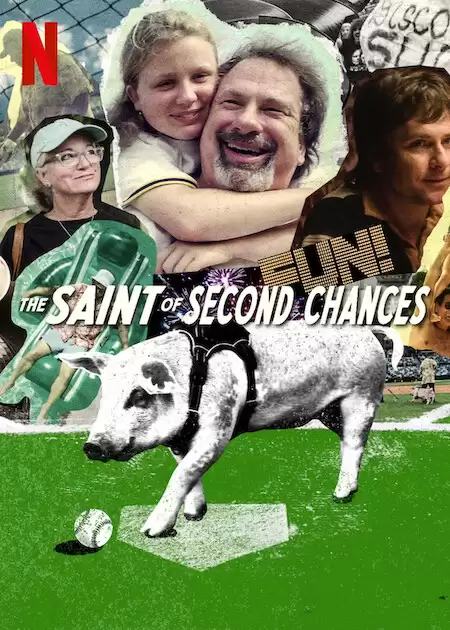
Mike Veeck inherited a name associated with baseball spectacle, then became associated with one of its most notorious promotions. The Saint of Second Chances revisits the disastrous Disco Demolition Night and the longer story of a promoter trying to return to the game. Directors Morgan Neville and Jeff Malmberg make room for both the showmanship and the personal cost of chasing attention.

Arash Sayed
Covered by Arash Sayed
The Shelf
The Saint of Second Chances

The Gist

Why it caught our attention

Bill Veeck helped turn American baseball promotion into an art, using giveaways and unusual ballpark events to attract people who might not come for the game alone. His son Mike grew up close to that world and wanted to make his own place in it. The Netflix documentary The Saint of Second Chances, released in 2023, tracks that ambition through a spectacular mistake and the decades that followed.

At the centre is Disco Demolition Night, a 1979 Chicago White Sox promotion that brought an enormous crowd to Comiskey Park and ended in chaos on the field. The event became a cautionary example of a giveaway or stunt overwhelming the sport it was supposed to promote. For Mike, its consequences were professional and deeply personal. The film also follows his later work in baseball and the different meaning that a second chance acquires as his family life changes.

The Details

Quick facts

Format
Movie
Released
2023
Relevant Sport
Baseball

At A Glance

Mike Veeck inherited a name associated with baseball spectacle, then became associated with one of its most notorious promotions. The Saint of Second Chances revisits the disastrous Disco Demolition Night and the longer story of a promoter trying to return to the game. Directors Morgan Neville and Jeff Malmberg make room for both the showmanship and the personal cost of chasing attention.

About This Shelf Item

About The Saint of Second Chances

The documentary could have been a collection of colourful old baseball anecdotes. Instead, Neville and Malmberg focus on a particular family relationship and the difference between inheriting a reputation and knowing what to do with it. Mike's early confidence is inseparable from Bill's success. When the promotion collapses, the failure threatens more than one night of business; it alters the younger Veeck's standing in an industry that values both novelty and predictability.



The account of Disco Demolition Night is memorable because the promotional logic is easy to understand even as the scale becomes alarming. Give people a provocative reason to come, attach it to a sporting fixture, and hope the energy turns into loyalty. But the audience arrives with motives of its own. A stadium event cannot be controlled merely because its marketing plan is clever. The gap between what organizers intended and what a crowd actually did is the central operational problem.

The later part of the film deliberately changes the stakes. A comeback through smaller baseball operations is not the same as restoring a grand public reputation. The documentary's family material, including painful news, gives a different weight to the idea of success. Its storytelling uses archive material, interviews and staged passages, with Charlie Day portraying a younger Veeck, without presenting those dramatized moments as unmediated historical footage.

Why It Belongs

The Sport Connection

This is a direct sport-business case. Ballpark promotions are a core part of ticket sales, fan acquisition and the identity of many minor-league clubs. The Veeck approach recognized that an evening at the stadium is an entertainment product as well as a sporting contest. That insight can attract families and make smaller organizations commercially viable.

The same approach requires crowd management, contingency planning and an understanding of what a promotion might invite people to do. A successful campaign cannot be judged only by how many tickets it moves. Staff safety, field access, event interruption and the experience of ordinary spectators also count. Disco Demolition Night remains a particularly sharp example of the danger of measuring publicity before responsibility.

Our Recommendation

Why Watch The Saint of Second Chances

The Saint of Second Chances is rewarding for viewers interested in baseball operations, marketing and the people who make games feel like local occasions. It is also an accessible story about professional embarrassment, family expectation and the possibility of doing worthwhile work without fully recovering an old status.

Its humor is important. The film understands why Mike's ideas could attract excitement, even when it is clear that enthusiasm was not a substitute for judgment. That balance makes the documentary more useful than a simple warning against promotional stunts.

Arash Sayed

Final Thoughts

Arash's Final Thoughts

The film's second chance is not just a return to a baseball job. It is a change in what Mike Veeck believes he needs from the business and from his family. Neville and Malmberg let the promotional disaster retain its place in the record while refusing to make it the entire definition of a life. For sport managers, the distinction between attracting a crowd and looking after one is an enduring lesson.