





Published in 2016, the book follows writers who are accustomed to examining decisions from the outside. With the Stompers, they gain an opportunity to influence actual baseball operations. The scale is far removed from a wealthy major league franchise, but that makes the experiment more revealing. Limited resources bring the consequences of a decision closer, and the authors cannot assume that every problem can be solved by adding another specialist or buying another player.
The Shelf · Books
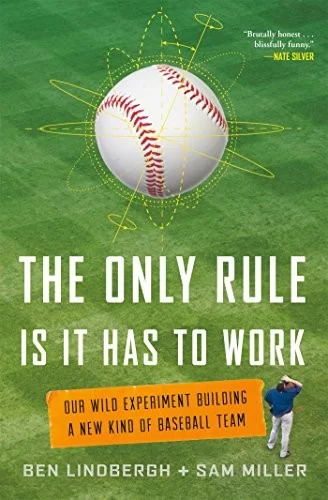
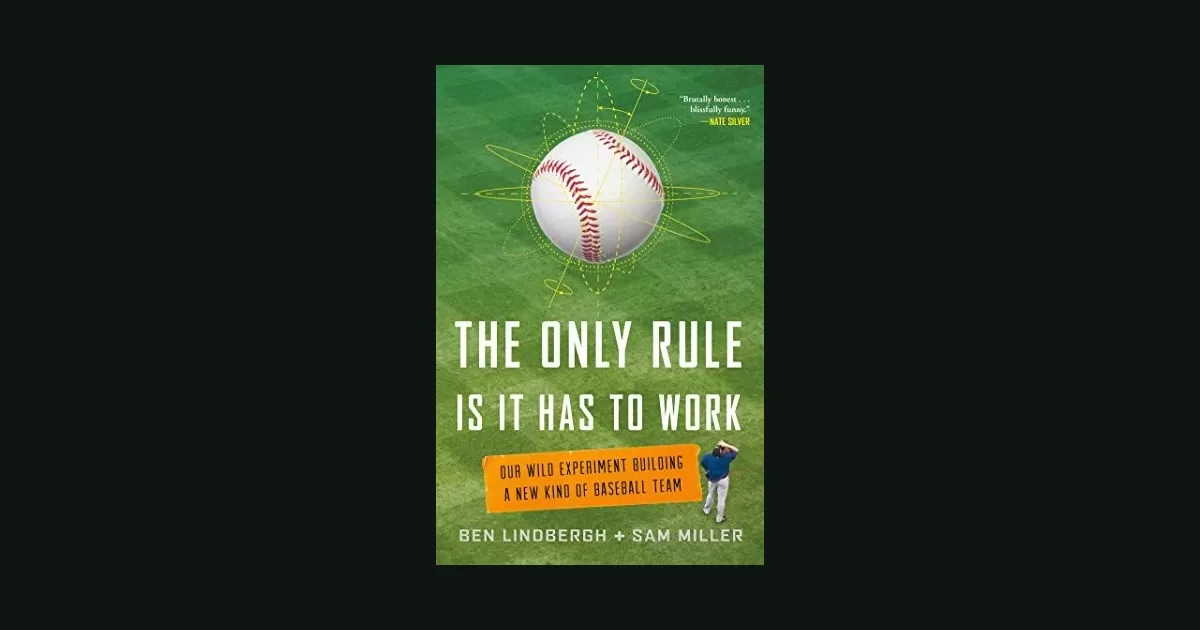
The Only Rule Is It Has to Work
By Ben Lindbergh & Sam MillerReleased 2016Curated by SPMA Hub because sport culture lives beyond the field.
The Only Rule Is It Has to Work puts two baseball analysts in the uncomfortable position of having to live with their own ideas. Ben Lindbergh and Sam Miller help run the Sonoma Stompers, an independent team in California, and discover that being persuasive on a page is different from persuading a clubhouse. Their experiment turns the promise of smarter baseball into a practical test of authority, evidence and trust.

The Shelf
The Gist
Why it caught our attention
The Details
Quick facts
- Format
- Book
- Author
- Ben Lindbergh & Sam Miller
- Published
- 2016
- Genre
- Non-Fiction
- Relevant Sport
- Baseball

At A Glance
The Only Rule Is It Has to Work puts two baseball analysts in the uncomfortable position of having to live with their own ideas. Ben Lindbergh and Sam Miller help run the Sonoma Stompers, an independent team in California, and discover that being persuasive on a page is different from persuading a clubhouse. Their experiment turns the promise of smarter baseball into a practical test of authority, evidence and trust.

About This Shelf Item
About The Only Rule Is It Has to Work
The central conflict is not simply between numbers and tradition. It is between an idea as its proposer understands it and the way other people must use it. Players and staff have their own knowledge, incentives and concerns. A recommendation may sound sensible while still being difficult to communicate or implement. The book becomes interesting when those responses force the authors to test more than the quality of the original calculation.
Independent baseball also supplies a setting in which professional ambition is precarious. Players are trying to continue their careers, and a team's experiment is part of their working life rather than an abstract demonstration. That changes the ethical texture of the story. An outsider's exciting chance to test a theory can be another person's uncertain opportunity to stay in the sport, which makes consent, credibility and clear communication matter.

Why It Belongs
The Sport Connection
For SPMA readers, the book is especially valuable on the subject of implementation. Sport organisations often speak as though identifying an advantage is the end of the difficult work. In practice, a proposal must pass through relationships, habits and systems before it affects a game. Lindbergh and Miller's experience encourages a more complete definition of expertise, one that includes listening and adaptation as well as the ability to produce a compelling analysis.
The title itself invites scrutiny. Deciding whether something works requires a standard and a period of observation. One result may be encouraging without proving that a policy caused it; a short losing run may not invalidate a sound decision. The challenge is to evaluate outcomes without inventing a comforting story after the fact. That problem is familiar to any organisation trying to learn while the work is still under way.

Our Recommendation
Why Read The Only Rule Is It Has to Work
Readers who enjoy baseball analytics will find the human setting particularly useful. It prevents the discussion from staying at the level of what a perfectly cooperative team might do in theory. Those more interested in workplace dynamics can follow the same story as an account of newcomers trying to earn influence. The baseball matters, but so does the authors' discovery that knowledge and authority are not interchangeable resources in a working group.
The book also benefits from the willingness to expose uncertainty. A polished success story often removes the wrong turns that would make it useful to someone facing a similar task. Here the experiment's appeal depends on watching assumptions meet resistance. Readers can ask not only which ideas were promising, but how the authors recognised a problem and whether they changed the idea, the explanation or their understanding of the people involved.
Final Thoughts
Alex's Final Thoughts
The Only Rule Is It Has to Work brings analytical ambition into contact with professional reality. Its strongest insight is that evidence does not travel into an organisation on its own. People have to interpret it, trust it and turn it into action. On the SPMA shelf, the Stompers experiment offers an engaging account of that difficult middle stage between seeing a possible advantage and making it useful.
Related organizations

Keep Exploring
Similar Books on The Shelf


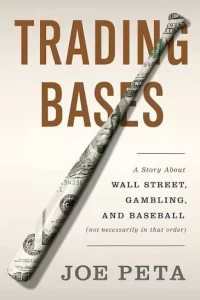
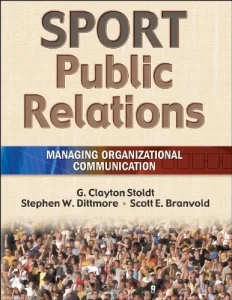

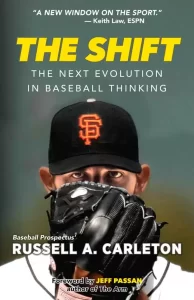
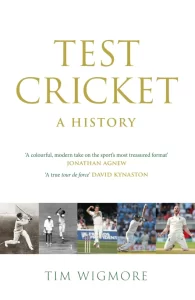
Same sport
More Baseball on The Shelf




Stay in the loop
Follow SPMA
New jobs, interviews and sport-industry news in your feed.






Hiring now on Sports Hired
59225284 new jobs in sport this week
Teams, leagues, agencies and brands in Canadain the USAin Canada & the USA are hiring. Find your next role, or let new ones come to you.
3711,0541,425 open jobs3,8668,20712,073 organizations
Just posted
 Policy Analyst & Committee LeadSport, Physical Activity and Recreation Council (SPARC) · within Canada4 hrs ago
 Head Coach, Synchro 9 National TeamSkate Canada · Ottawa, ON4 hrs ago
 Analyst | AnalysteOttawa Rapid FC · Ottawa, ON4 hrs ago
 2027 Summer Camp InternFirst Tee · Richmond, VA6 hrs ago
 Triple-a Athletic TrainerDetroit Tigers · Toledo, OH8 hrs ago
 Development CoachHouston Astros · Houston, TX8 hrs ago
- Policy Analyst & Committee LeadSport, Physical Activity and Recreation Council (SPARC) · within Canada4 hrs ago
- Head Coach, Synchro 9 National TeamSkate Canada · Ottawa, ON4 hrs ago
- Analyst | AnalysteOttawa Rapid FC · Ottawa, ON4 hrs ago
Copied
