The Shelf · Books

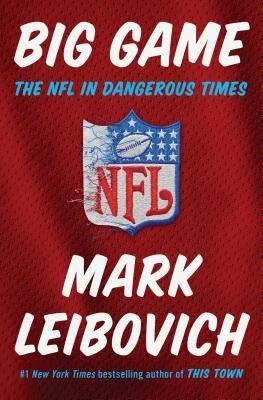
Big Game: The NFL in Dangerous Times

By Mark LeibovichReleased 2018Curated by SPMA Hub because sport culture lives beyond the field.

The NFL's public confidence looks different from inside the rooms where its most powerful people gather. In Big Game, Mark Leibovich follows owners, executives and stars through a period of extraordinary commercial success and mounting controversy. His position as both political reporter and Patriots fan gives the account an uneasy mixture of access, amusement and attachment.

Arash Sayed
Covered by Arash Sayed
The Shelf
Big Game: The NFL in Dangerous Times

The Gist

Why it caught our attention

Published in 2018, Big Game grew from several years of reporting that began with conversations with Tom Brady. Leibovich followed the league through Super Bowls, owners' meetings, the draft and the arguments surrounding its public image. The result is an account of American football as a powerful social institution.

His earlier reporting on Washington supplies an obvious point of comparison. The NFL's influential figures also operate through private relationships, public performances and careful attention to status. Leibovich brings an eye for those habits into settings usually described primarily through competition.

The Details

Quick facts

Format
Book
Author
Mark Leibovich
Published
2018
ISBN
9780399185427
Relevant Sport
American Football

At A Glance

The NFL's public confidence looks different from inside the rooms where its most powerful people gather. In Big Game, Mark Leibovich follows owners, executives and stars through a period of extraordinary commercial success and mounting controversy. His position as both political reporter and Patriots fan gives the account an uneasy mixture of access, amusement and attachment.

About This Shelf Item

About Big Game: The NFL in Dangerous Times

Brady remains a recurring presence, connecting the author's lifelong fandom with the demands of reporting. The Patriots' success and the controversy over underinflated footballs provide material for examining how a sporting dispute becomes a sustained media event. The scale of attention itself becomes part of the story.

The owners offer a different view of the league. Figures such as Jerry Jones occupy positions in which personal ambition, business interests and institutional authority overlap. Commissioner Roger Goodell must work within that arrangement while serving as the most visible representative of decisions that attract public criticism. Leibovich's encounters make the personalities behind those roles difficult to ignore.

Around this privileged social world sit the problems the league cannot keep outside its gates. The consequences of head injuries, the treatment of players, protests during the national anthem and Donald Trump's interventions all enter the account. The book follows an organisation that remains highly successful while facing increasingly uncomfortable arguments about the terms of that success.

Leibovich's own attachment complicates the portrait. He understands the pleasure of following a team and the habits that keep a fan returning. That makes the investigation less emotionally distant: he is describing a business whose product continues to hold him even as his reporting gives him reasons for discomfort.

Why It Belongs

The Sport Connection

Big Game is particularly revealing about governance because it shows authority being exercised through people. Formal titles explain part of the NFL's structure, but the conversations, relationships and competing priorities of owners help explain how that structure behaves. The book gives sport management readers a vivid setting for considering the difference between responsibility in public and influence behind closed doors.

Its treatment of controversy also makes clear that commercial strength does not settle a question of legitimacy. A league can remain popular and profitable while facing serious criticism about the consequences of its product or the conduct of those who run it. Leibovich keeps those conditions together, resisting the temptation to treat financial success as a complete answer.

For communication professionals, the account shows how quickly efforts to protect a league's image can become part of the problem being discussed. The public sees personalities, motives and contradictions as well as official statements. The book's attention to those details helps explain why controlling a message is never the same as resolving the underlying issue.

Our Recommendation

Why Read Big Game: The NFL in Dangerous Times

NFL followers will recognise the events and personalities, but Leibovich gives them a different viewing angle. Readers interested in power, wealth and American public life can enter through the same social observation that distinguishes his political reporting.

The book is especially useful for students examining ownership, governance and sport communication. Its scenes provide people and decisions to discuss, with the author's admitted fandom adding another question: how does attachment affect the way an institution is judged?

Arash Sayed

Final Thoughts

Arash's Final Thoughts

Big Game captures a league whose command of attention is both a source of strength and an invitation to scrutiny. Leibovich's access reveals how much of that institution depends on the appetites and judgements of a small group of people. The resulting portrait makes the business of football feel less abstract, and its responsibilities harder to hide behind the spectacle.