The Shelf · Books

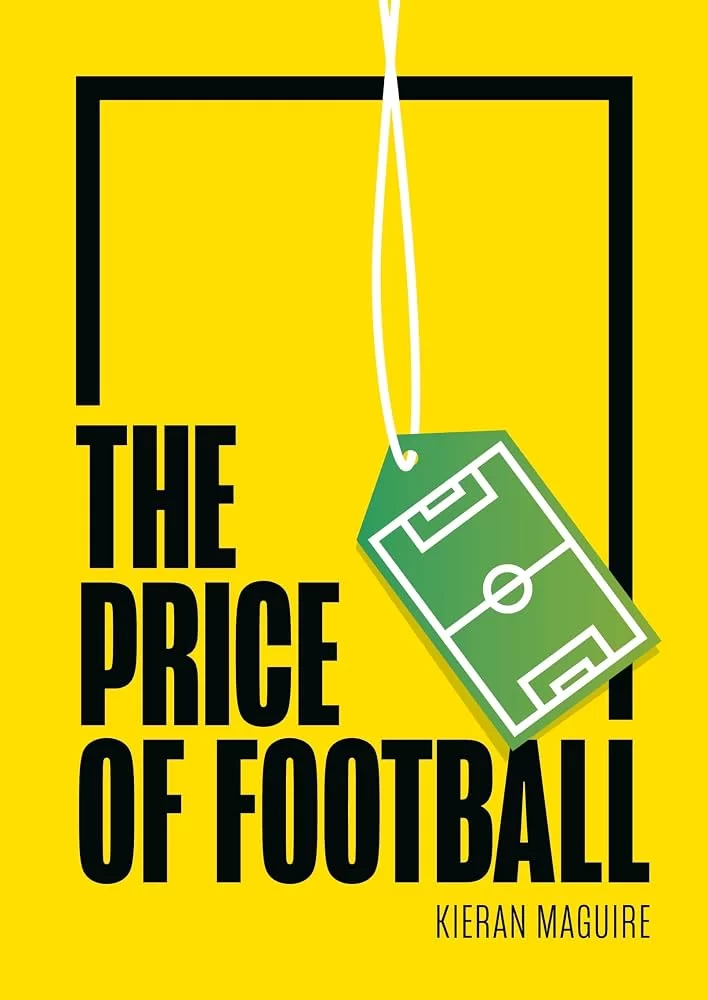
The Price of Football

By Kieran MaguireReleased 2020Curated by SPMA Hub because sport culture lives beyond the field.

The Price of Football asks a question supporters often raise but rarely have the documents to answer: how does a club that appears wealthy actually make, spend and account for its money? Kieran Maguire explains the business beneath the scoreline.

Arash Sayed
Covered by Arash Sayed
The Shelf
The Price of Football
The Gist Of The Price of Football

The Gist

Why it caught our attention

Football finance is frequently discussed in headline numbers: a transfer fee, an owner's fortune, a broadcasting contract. Those figures matter, but they seldom reveal how a club's finances work together. In The Price of Football, Kieran Maguire draws readers toward the less photogenic evidence found in accounts, financial statements and business models. His aim is to make those documents legible to people who care about the sport without expecting them to arrive with a degree in accounting.

The book is a reminder that professional clubs are unusual organizations. They have employers, creditors, assets and operating costs, but their owners and supporters may measure success in very different ways. A club can record sporting progress and still experience financial strain. Conversely, a profitable decision can make little sense to the people who see the team as a civic institution.

The Details

Quick facts

Format
Book
Author
Kieran Maguire
Published
2020
Relevant Sport
Soccer

At A Glance

The Price of Football asks a question supporters often raise but rarely have the documents to answer: how does a club that appears wealthy actually make, spend and account for its money? Kieran Maguire explains the business beneath the scoreline.

About This Shelf Item

About The Price of Football

Maguire explains the role of revenue, wages, player transfers, balance sheets and cash flow using football clubs as practical cases. One of the most useful distinctions is between an announcement and the accounting treatment that follows it. A transfer reported for a particular fee does not mean that the entire amount becomes an immediate expense or cash payment. Contract length, payment terms and player-registration accounting matter. Those details are central to understanding a club's reported position.

The work has appeared in multiple editions, so readers should be careful about which set of regulations, examples or financial statements they are using. Football's rules and commercial structures evolve. The continuing value of Maguire's approach lies less in any one season's figures than in showing how to read the evidence critically and ask better questions about what accounts reveal.

Why It Belongs

The Sport Connection

For sports administrators, the book makes clear that budgeting is not a back-office concern separate from competitive planning. Player wages, stadium spending, academy investment and media revenue all compete for resources, and a team's decisions in one area constrain what it can do elsewhere. A club needs governance processes capable of assessing risks before they become public crises.

The same point applies to communication. Supporters often hear about gross transfer spending, impressive sponsorship deals or financial losses without a consistent explanation of what those figures mean. A sport executive who understands the accounts but cannot explain them may still lose trust. Financial literacy is therefore part of leadership and accountability, especially in organizations whose audiences feel invested in decisions they do not control.



Our Recommendation

Why Read The Price of Football

Read The Price of Football if your interests include club management, sport finance, football ownership or governance. It offers a framework for understanding why apparently similar clubs can have very different financial positions. It is particularly useful for students who need to connect classroom accounting concepts to a business in which labour markets, media rights and supporter loyalty interact.

The book is primarily an explanation of football economics, not a substitute for professional financial advice or a current regulatory manual. It also focuses on the business structures of particular leagues and markets. Readers applying its ideas elsewhere should check the local rules, reporting standards and funding arrangements rather than assume that one model governs every sport.

Arash Sayed

Final Thoughts

Arash's Final Thoughts

The Price of Football belongs on the Shelf because it challenges the habit of interpreting commercial strength from the size of a deal. The more consequential questions concern obligations, timing, sustainability and whose interests a club's financial decisions serve. Maguire makes those questions approachable without pretending the answers are simple, which is precisely the skill good sport managers need.