The Shelf · Movies

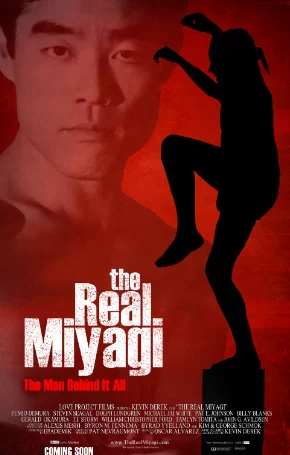
The Real Miyagi

Released 2015Curated by SPMA Hub because sport culture lives beyond the field.

This documentary profiles martial-arts teacher Fumio Demura, whose work influenced film choreography and generations of students. The distinction between a screen mentor and the people who actually teach matters here. Demura's lifelong teaching deserves attention beyond his connection to a beloved fictional karate mentor.

Arash Sayed
Covered by Arash Sayed
The Shelf
The Real Miyagi

The Gist

Why it caught our attention

The relationship between training discipline and the popular mythology of karate emerges through his career as an instructor and stunt performer.

The film's interviews are framed by admiration, and that affection can make an instructor's life seem more coherent than a truly independent investigation might. Yet the students' descriptions of particular habits and ways of teaching give the portrait its substance. Demura's connection to Hollywood gives audiences an easy point of entry, but the serious work happened in training spaces long before a camera needed a convincing technique. There is a difference between looking wise in a film and making another person safer and more capable through patient instruction.

The Details

Quick facts

Format
Movie
Released
2015

At A Glance

This documentary profiles martial-arts teacher Fumio Demura, whose work influenced film choreography and generations of students. The distinction between a screen mentor and the people who actually teach matters here. Demura's lifelong teaching deserves attention beyond his connection to a beloved fictional karate mentor.

About This Shelf Item

About The Real Miyagi

Interviews and tribute material connect a real practitioner to the entertainment industry built around martial-arts icons.

Fumio Demura's career cannot be reduced to an inspiration for a movie character. His work spans practical instruction, public demonstrations and the choreography through which Hollywood has taught generations of viewers to recognize karate. The documentary is most revealing when it places the glamorous screen mythology beside the repetition and physical precision of actual teaching. Demura's students value forms of attention that a fight montage cannot show: the correction of stance, patience with a beginner and responsibility for the training culture created around an instructor.

Why It Belongs

The Sport Connection

Coaching legacies, licensing of martial-arts schools and the commercialization of cultural traditions complicate the celebrity story.

Martial arts occupy an uneasy commercial space between cultural transmission and entertainment licensing. A teacher may earn recognition because audiences have seen a fictional approximation of the discipline, then need to clarify what the actual discipline involves. Demura's life makes that exchange concrete. The film is valuable to coaches because it treats an instructor's legacy as relationships sustained over decades rather than a handful of celebrity associations. Its tributes are affectionate, so a viewer should distinguish the devotion of those interviewed from an independent critical biography.

Our Recommendation

Why Watch The Real Miyagi

The distinction between a screen mentor and the people who actually teach matters here.

The film is especially worthwhile for anyone who knows Mr. Miyagi principally through popular culture. It redirects attention from a beloved fictional teacher to the career of an actual martial artist, revealing how thoroughly screen choreography depends on instructors whose names do not always accompany their work. Its celebratory tone is evident, and viewers looking for a more critical portrait will need additional sources.

Arash Sayed

Final Thoughts

Arash's Final Thoughts

The Real Miyagi is best approached as an affectionate study of a practitioner whose influence extends beyond his own screen appearances. It is not the place to go for a complete history of karate or a skeptical investigation of every claim in the martial-arts industry. Its appeal lies in returning attention to the teacher behind a familiar entertainment image. In doing so, it makes the usually hidden labour of coaching both visible and worthy of respect.