The Shelf · Movies

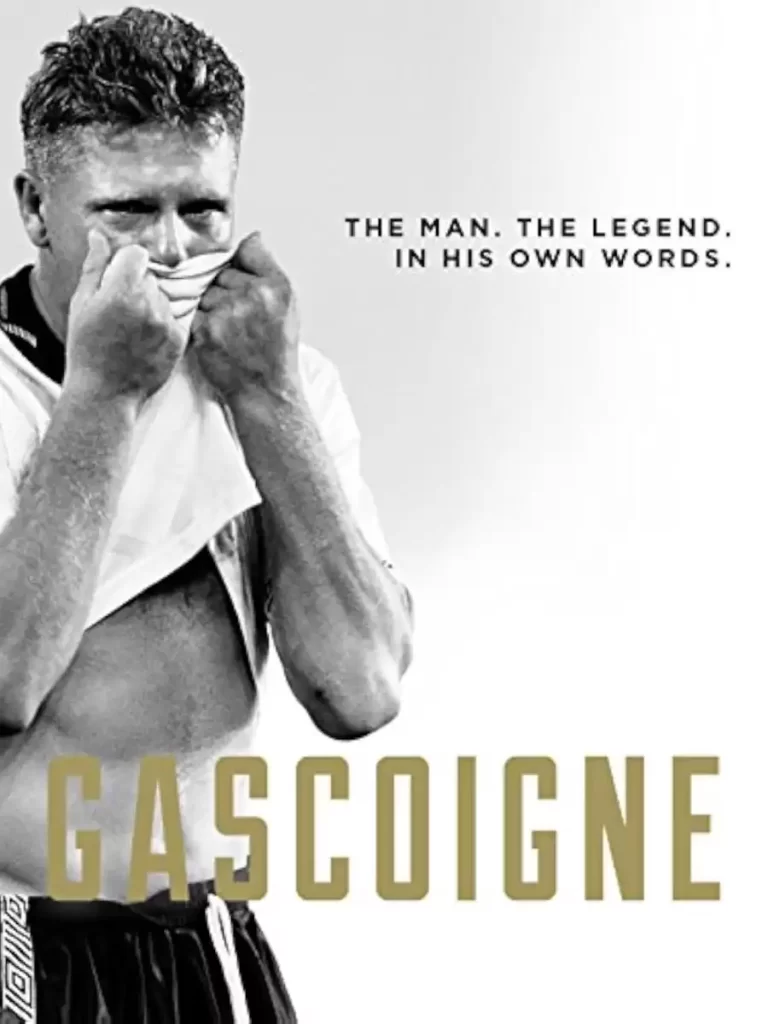
Gascoigne

Released 2015Curated by SPMA Hub because sport culture lives beyond the field.

A documentary charts Paul Gascoigne's extraordinary football talent alongside the public and private difficulties that shadowed his career. The film should be assessed without using a person's struggles as entertainment or reducing him to a cautionary headline. Familiar World Cup images take on another meaning when viewed beside the player's later struggles.

Arash Sayed
Covered by Arash Sayed
The Shelf
Gascoigne

The Gist

Why it caught our attention

England's 1990 World Cup provides a familiar emotional touchstone, but fame and personal vulnerability extend far beyond that tournament.

A football documentary about Gascoigne must carry the extraordinary exhilaration of his playing style alongside material that may be painful to watch. The archive of the 1990 World Cup helps explain why supporters felt such immediate affection for him, but the same celebrity ensured that later struggles were rarely private. The film is vulnerable to a familiar danger: turning its subject's distress into dramatic proof that the most gifted players are somehow destined for tragedy. His life deserves a less neat explanation.

The Details

Quick facts

Format
Movie
Released
2015
Relevant Sport
Soccer

At A Glance

A documentary charts Paul Gascoigne's extraordinary football talent alongside the public and private difficulties that shadowed his career. The film should be assessed without using a person's struggles as entertainment or reducing him to a cautionary headline. Familiar World Cup images take on another meaning when viewed beside the player's later struggles.

About This Shelf Item

About Gascoigne

Interviews and archive material show how journalists could celebrate a charismatic footballer and magnify his distress.

Paul Gascoigne is easy to recall through a few indelible images: the young footballer at the 1990 World Cup, the public tears, the skill that could disorganize a defense and the exuberance that made him a tabloid fixture. A documentary built around that memory has a difficult job. It must show the pleasure he gave spectators without turning addiction and personal difficulty into another form of entertainment. The archive material can reveal how quickly celebration and ridicule attached themselves to the same person. The person behind the nickname is inevitably more complicated than either response.

The footage also invites a harder question about the sports press. Images of Gascoigne's footballing joy circulate alongside evidence of a public appetite for his private distress. A player can be adored for appearing unguarded and then punished for the consequences of living under relentless observation. The documentary is strongest when these contradictions are allowed to coexist: the skill remains extraordinary, but it does not make the surrounding system innocent or turn every difficult episode into an explanation of his career.

Why It Belongs

The Sport Connection

Celebrity media, player welfare and long-term transition support intersect in Gascoigne's story.

For football organizations, the most uncomfortable questions concern welfare after the cameras have lost interest. A star may have access to sponsorships and extraordinary public affection while still finding that private medical support, retirement planning and protection from intrusive reporting are inadequate. Gascoigne's story belongs to a period when a player's pain was often interpreted through the language of bad behaviour or tabloid scandal. The film invites a second viewing of that coverage, with attention to what the journalists and employers could see and what they chose to amplify.

Our Recommendation

Why Watch Gascoigne

The film should be assessed without using a person's struggles as entertainment or reducing him to a cautionary headline.

The most uncomfortable viewing experience is recognizing how familiar the footage looks even when its implications have changed. A joke in an old interview can sound different after learning what followed; the affection of supporters did not give them meaningful access to the player who was struggling. That disjunction is more revealing than any attempt to award or withhold sympathy for an entire career.

Arash Sayed

Final Thoughts

Arash's Final Thoughts

The best reason to watch Gascoigne is to reconsider the public's role in the career it remembers. Fans and journalists wanted a charismatic footballer to remain endlessly accessible, even when attention became destructive. The documentary cannot undo that history, but it gives viewers an opportunity to recognize its consequences. The measure of a club's regard for a former player should never be limited to the moments when his highlights still bring a crowd to its feet.