The Shelf · Movies

Free to Run

Released 2016Curated by SPMA Hub because sport culture lives beyond the field.

A documentary traces the history of running as an accessible pastime and the social changes that opened competition to new participants. The film is valuable for explaining how an everyday activity became a vast cultural and event industry. Women's access to organized events changes the meaning of today's crowded recreational start lines.

Arash Sayed
Covered by Arash Sayed
The Shelf
Free to Run

The Gist

Why it caught our attention

The experiences of distance runners and race organizers reveal how the modern running movement was built over decades.

The film's historical footage changes what participation in a crowded modern road race means. Running can appear to be a simple act of placing one foot in front of the other, yet access to organized competition has depended on rules, social attitudes and public institutions. The stories of women seeking recognition are especially important because they reveal how a seemingly universal activity could be restricted by official judgments about who belonged.

The Details

Quick facts

Format
Movie
Released
2016
Relevant Sport
Running

At A Glance

A documentary traces the history of running as an accessible pastime and the social changes that opened competition to new participants. The film is valuable for explaining how an everyday activity became a vast cultural and event industry. Women's access to organized events changes the meaning of today's crowded recreational start lines.

About This Shelf Item

About Free to Run

Historical footage changes the meaning of today's familiar mass-participation scene by showing the barriers that preceded it.

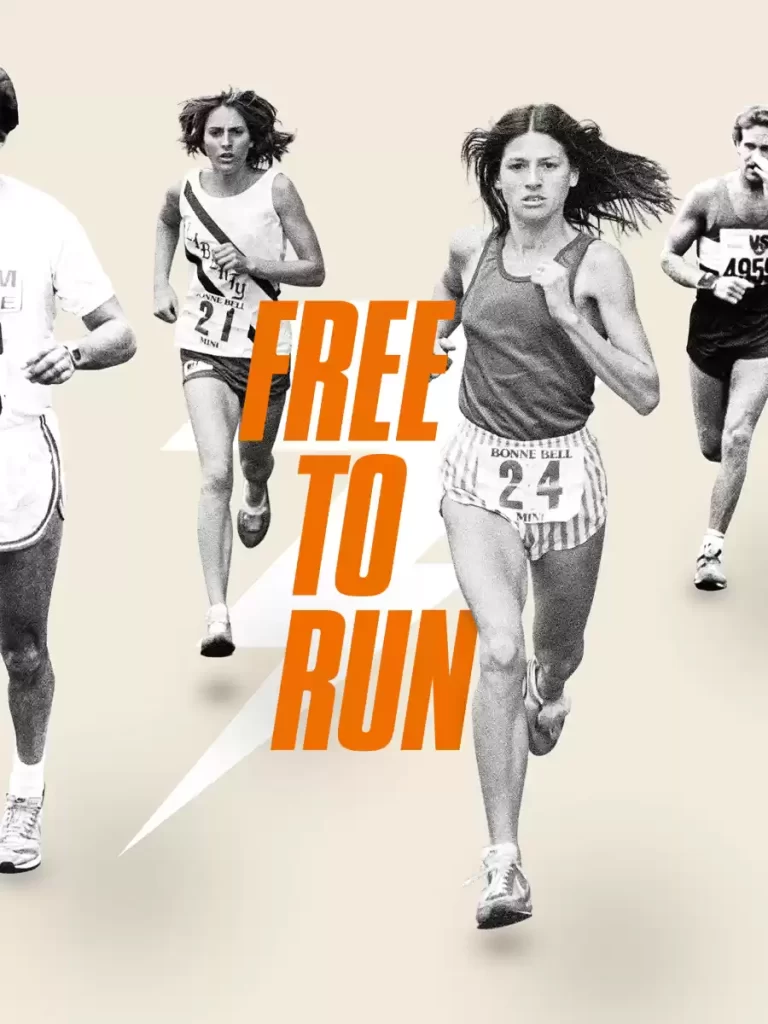
Today's mass running events can look timeless: crowded start lines, specialized shoes, charity shirts and thousands of different definitions of success. This documentary places that image in a history of people who fought to make running more open and publicly acceptable. The experiences of women and recreational runners are especially significant because they complicate a story too often told entirely through records set by elite men. Archive footage shows that access to a road or a race was never simply a matter of wanting to participate.

The expansion of recreational running is sometimes told through a story of better shoes and more convenient races. The documentary points to a more contested history. When women and other excluded participants demanded access, sporting institutions had to revise rules and assumptions that had been treated as natural. Commercial growth later followed the expanded community of runners, but those markets did not create every opportunity from nothing. The film is useful because it gives institutional decisions and organized advocacy their proper place in a sport whose simplicity can otherwise conceal its history.

Why It Belongs

The Sport Connection

Race participation, the shoe industry and public access to recreation are important commercial and community contexts.

Running's popularity created an industry in footwear, event services and destination tourism, but that market developed alongside struggles over inclusion. Organizers had to decide who could enter, how races would be conducted and whether governing bodies would recognize performances. The film makes a good companion to a contemporary marathon because it shows the policy decisions embedded in what now appears to be an ordinary sporting choice. Participation did not expand automatically. People argued, organized and changed rules to make it possible.

Our Recommendation

Why Watch Free to Run

The film is valuable for explaining how an everyday activity became a vast cultural and event industry.

Modern road races can make running feel universal and inevitable. The documentary shows that access to roads, events and recognition was historically contested, particularly for women. Watch the activists and organizers alongside the athletes: their efforts changed not only a sport but the civic use of public space. The film is a reminder that the familiar weekend race has a social history worth knowing.

Arash Sayed

Final Thoughts

Arash's Final Thoughts

Free to Run is well suited to runners who have inherited an inclusive recreational culture without knowing how recent some of its freedoms are. It also offers useful context for the commercial growth of running, which followed and sometimes benefited from campaigns to expand participation. The history complicates the idea that a sport becomes open simply because anyone can physically attempt it. Someone still decides who may enter a race, whose performance counts and whose story deserves coverage.