The Shelf · Books

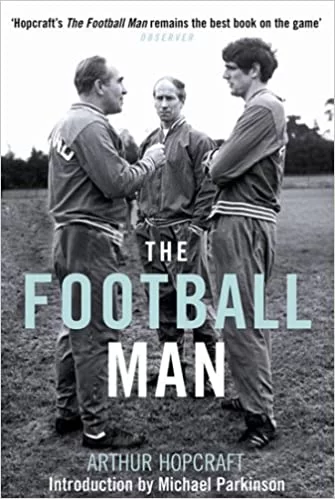
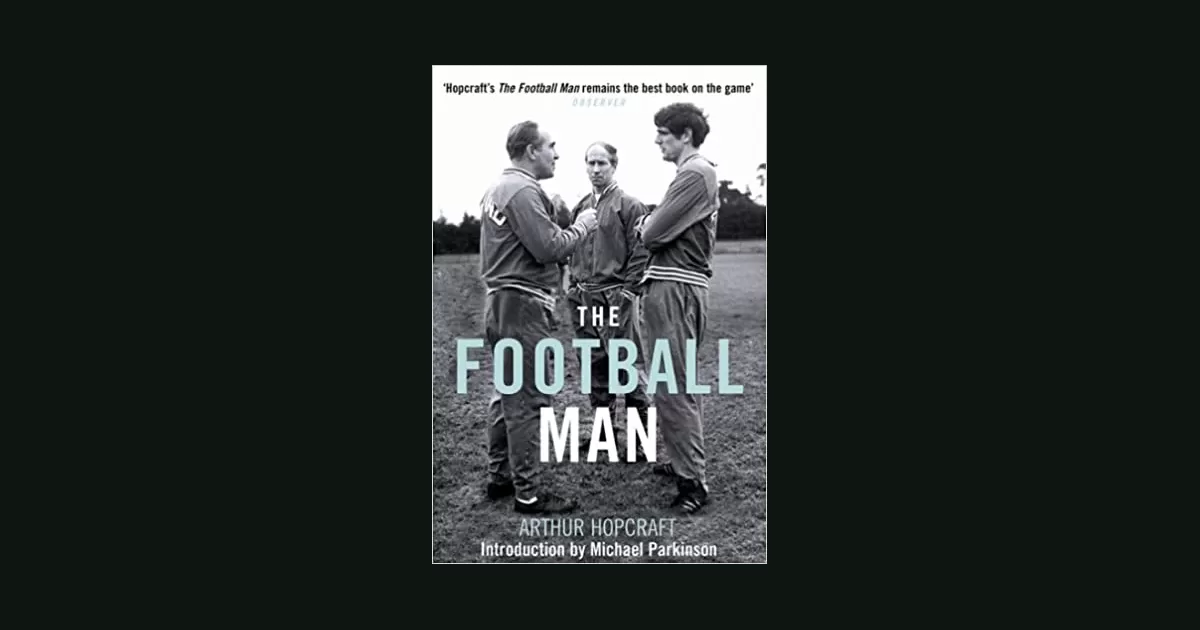
The Football Man

By Arthur HopcraftReleased 1968Curated by SPMA Hub because sport culture lives beyond the field.

The Football Man explores English football through the people who lived and worked inside it before the modern Premier League. Arthur Hopcraft's book is valuable because it treats the sport as a social institution, not simply a business or a weekly result.

Arash Sayed
Covered by Arash Sayed
The Shelf
The Football Man
The Football Man
The Gist Of The Football Man

The Gist

Why it caught our attention

Published in 1968, The Football Man: People and Passions in Soccer arrived when the modern language of global rights deals, data science and international franchise investment was far from central to English football coverage. Arthur Hopcraft was interested in the human lives surrounding the game: players, managers, supporters and the communities in which professional football had taken root. Through interviews and close observation, he gave the sport a seriousness often reserved for more traditionally respectable subjects.

That seriousness is not solemnity. Hopcraft's style can be dryly funny, and his sympathy for football people does not prevent him from noticing their contradictions. His account shows professional sport as ordinary work carried out under extraordinary public scrutiny. Players perform for spectators who feel emotionally invested in the results, while the people sustaining the institutions live with the insecurity and compromises behind that spectacle.

The Details

Quick facts

Format
Book
Author
Arthur Hopcraft
Published
1968
Relevant Sport
Soccer

At A Glance

The Football Man explores English football through the people who lived and worked inside it before the modern Premier League. Arthur Hopcraft's book is valuable because it treats the sport as a social institution, not simply a business or a weekly result.

About This Shelf Item

About The Football Man

The book's social setting matters. English football had deep working-class associations, and Hopcraft wrote during a period of modernization when those relationships were being challenged. His interest in community identity helps explain why a club could represent more than a collection of paid athletes. The game was a shared language between neighbourhoods, workplaces and generations, even as the professional industry around it evolved.

Scholars have since examined both the book's influence and its limitations. Hopcraft's account can romanticize aspects of working-class football culture and presents a particular historical perspective. Its treatment of gender, opportunity and the boundaries of the sport belongs to its own era. Those features should be made visible to readers rather than silently treated as universal truths about football identity.

Why It Belongs

The Sport Connection

For modern sport managers, The Football Man is a reminder that clubs inherit relationships they did not manufacture. A ticketing change, ground redevelopment or ownership decision can alter how a community experiences an institution. Commercial managers may have sound financial reasons for new policies while underestimating what an established ritual or local connection means to supporters. Hopcraft helps explain why those choices can provoke responses that seem disproportionate when examined only through revenue.

The book also puts player labour in perspective. Before today's scale of global celebrity, footballers still faced the pressure of public evaluation and a career defined by performance and physical limits. Managers concerned with athlete welfare can use this history to ask which problems have improved and which have simply changed form. Understanding the profession's past does not supply an operational solution, but it prevents present-day structures from appearing inevitable.

Our Recommendation

Why Read The Football Man

The Football Man is worth reading for sports business students interested in supporter relations, football history and the social meaning of clubs. It sits beside newer books about Premier League economics as a corrective: ownership models can change rapidly, while community attachment often develops over decades. A reader who understands both is better equipped to interpret the conflict between commercial opportunity and local identity.

Its period language and romantic tendencies call for critical reading. The book is not a comprehensive account of modern inclusion or an up-to-date management guide. That is precisely why it works on the Shelf. It gives sport professionals historical evidence of the human commitments that economic decisions affect, and invites them to consider whose perspectives are absent from an institution's official story.

Arash Sayed

Final Thoughts

Arash's Final Thoughts

The Football Man earns its Shelf place by insisting that football's value cannot be counted entirely in revenue, points or trophies. The clubs Hopcraft depicts are businesses, workplaces and community institutions at once. Good management begins by understanding all three, even when their interests are difficult to reconcile.