The Shelf · Books

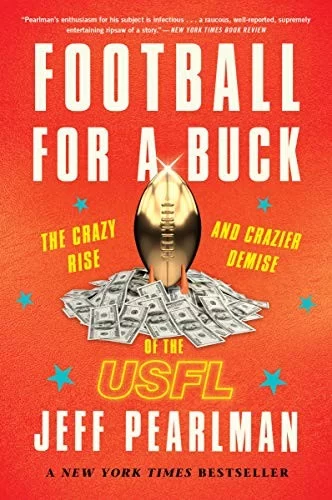
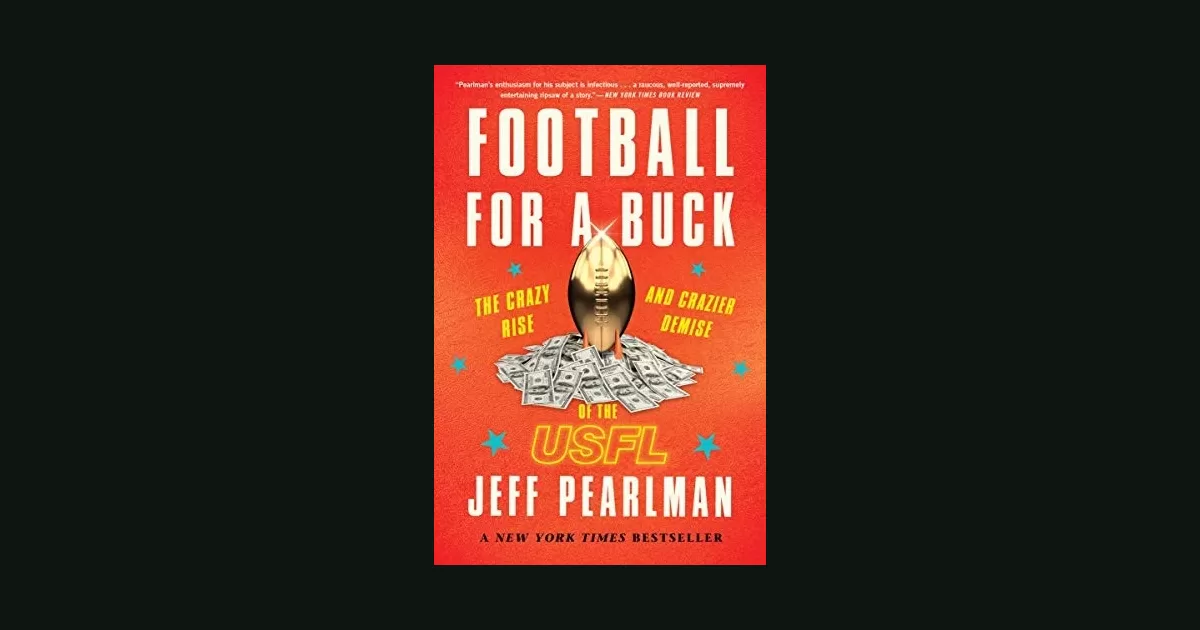
Football for a Buck

By Jeff PearlmanReleased 2018Curated by SPMA Hub because sport culture lives beyond the field.

Football for a Buck recounts a professional league that had talent, attention and ambition without securing a durable future. Jeff Pearlman's history of the original USFL follows the players, owners and strategic conflicts behind a serious challenge to the established football business.

Alex Bennett
Covered by Alex Bennett
The Shelf
Football for a Buck
Football for a Buck
The Gist Of Football for a Buck

The Gist

Why it caught our attention

Published in 2018, the book covers the United States Football League that played from 1983 through 1985. This is the original competition, not a later league using the same name. Its brief life included recognisable talents such as Steve Young, Jim Kelly, Herschel Walker and Reggie White.

Those names matter because they prevent the story from being dismissed as a failed experiment with inferior sporting material. The USFL could attract players capable of substantial careers. The more difficult question is why the organisation around that talent could not sustain itself.

The Details

Quick facts

Format
Book
Author
Jeff Pearlman
Published
2018
Relevant Sport
American Football

At A Glance

Football for a Buck recounts a professional league that had talent, attention and ambition without securing a durable future. Jeff Pearlman's history of the original USFL follows the players, owners and strategic conflicts behind a serious challenge to the established football business.

About This Shelf Item

About Football for a Buck

A new league must solve several problems at once. It needs credible teams, audiences, financial support and a reason for people to choose it alongside established alternatives. Solving one problem does not guarantee the others. An exciting game can coexist with unstable ownership or a disputed commercial direction.

The USFL's spring identity gave it a particular position in the football calendar. The question of moving toward direct competition with the NFL therefore involved more than a scheduling adjustment. It concerned what the league was trying to become and how much risk its owners were prepared to accept.

Donald Trump's involvement as an owner is central to Pearlman's account of that conflict. The book examines the influence of personal ambition on collective strategy, making the league a setting in which an owner's preferred outcome could differ from the interests of the wider competition.

The players' stories keep the institutional argument connected to actual careers. For athletes, the league represented work, opportunity and a route into professional recognition. Its instability was therefore not merely a business problem experienced by investors. Decisions made at ownership level shaped the conditions under which players pursued their livelihoods.

Why It Belongs

The Sport Connection

Football for a Buck is particularly relevant to sport entrepreneurship because it separates audience interest from organisational viability. A competition can generate memorable moments and attract strong talent while still lacking a sustainable arrangement among the people financing and governing it.

The case also highlights the importance of strategic agreement among owners. A league sells a shared competition, but its participants may hold incompatible ideas about timing, risk and the eventual destination. Without a credible way to resolve those differences, individual influence can redirect the entire enterprise.

Readers considering a new league should be careful about extracting a single villain or mistake as a complete explanation. Pearlman's account gives particular figures substantial responsibility, but the wider management question remains how a structure allowed conflicting ambitions to become existential. Personalities matter more when governance cannot contain their effects.

Our Recommendation

Why Read Football for a Buck

The book suits readers who enjoy colourful football history with a substantial business dimension. Its short time span creates a clear arc, while the range of players and owners gives the story more than one perspective on what the league offered.

It is also useful for comparing the public excitement of launching a competition with the quieter requirements of maintaining one. Promotion can create an opening, but reliable operations and strategic discipline determine whether that opening becomes an institution. The USFL's remembered vitality makes its failure especially instructive.

Alex Bennett

Final Thoughts

Alex's Final Thoughts

Football for a Buck leaves the reader with a league that was more substantial than a footnote and less secure than its talent suggested. Pearlman connects entertaining football with consequential decisions made away from the field. The result is a sharp case for SPMA readers: building a sporting product and governing the interests around it are separate tasks, and neither can safely be neglected.