





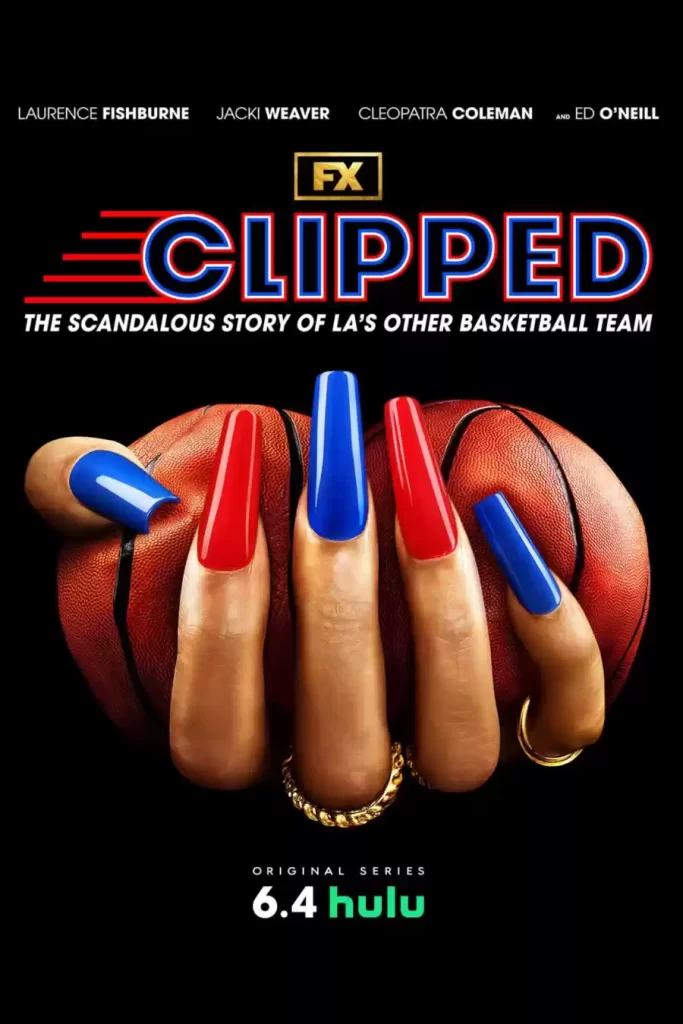
A franchise can possess talented athletes, a recognized brand and ambitious coaches while still suffering from damaging behavior at the top. FX's Clipped, released in 2024, centers on the Los Angeles Clippers in 2013 and 2014, when recorded racist comments by owner Donald Sterling triggered a national crisis. Created by Gina Welch and based on ESPN's 30 for 30 podcast The Sterling Affairs, the six-episode drama follows people navigating the resulting fallout. Laurence Fishburne plays coach Doc Rivers, while Ed O'Neill portrays Sterling. These performances dramatize real events; the series is not a verbatim documentary record. Its relevance to sport management is nevertheless unusually strong because the failure of leadership is the story rather than incidental background.
The Shelf · TV Series
Clipped
Clipped dramatizes the scandal surrounding former Los Angeles Clippers owner Donald Sterling and the consequences of his recorded racist remarks. The 2024 FX limited series is an unusually direct sports-management story: it asks what happens when a franchise's ownership and organizational culture become an obstacle to the people expected to represent the team.
The Gist
Why it caught our attention
The Details
Quick facts
- Format
- TV Series
- Released
- 2024
- Genre
- Drama
- Relevant Sport
- Basketball

At A Glance
Clipped dramatizes the scandal surrounding former Los Angeles Clippers owner Donald Sterling and the consequences of his recorded racist remarks. The 2024 FX limited series is an unusually direct sports-management story: it asks what happens when a franchise's ownership and organizational culture become an obstacle to the people expected to represent the team.

About This Shelf Item
About Clipped
Clipped introduces Rivers trying to build a winning basketball organization while confronting interference and misconduct associated with its owner. The Clippers' on-court objectives depend on stability, trust and professional decision-making, but those conditions become difficult to maintain when the franchise's governance is itself contested. The program depicts tensions among the owner, the people around him, players and staff. Its most important scenes are often those in which someone has limited authority over an obvious problem. The coaching staff can direct practice, but it cannot unilaterally change ownership. Players are required to compete publicly while absorbing consequences of remarks they did not make. The crisis reveals how an organizational hierarchy can fail the very people whose work sustains its public value.

Why It Belongs
The Sport Connection
The real controversy led the NBA to ban Sterling for life in 2014, and the Clippers eventually changed ownership. Those facts give the dramatization a concrete governance context. A league is not only a competition organizer; it must maintain rules and credibility for the organizations using its name. Franchise ownership rights carry responsibilities to employees, athletes and communities. An organization that tolerates discriminatory behavior risks legal, reputational and operational consequences, but the deeper issue is the human effect on people required to work within it. Administrators should ask how complaints could be escalated, whether independent review is available and what powers a league can actually exercise when a powerful owner is the subject of a crisis.

Our Recommendation
Why Watch Clipped
Clipped is also a lesson in communication under unequal power. A team cannot resolve systemic misconduct with a carefully worded statement, and players should not be expected to perform every act of public accountability on management's behalf. Different individuals will reasonably hold different views about protest, continued competition and what constitutes meaningful change. Effective crisis response starts by acknowledging the conduct, establishing credible processes and protecting those who report problems. The series should be watched critically: it compresses and stages conversations to create television drama, so its dialogue must not be cited as historical testimony without independent confirmation. The ESPN podcast and contemporaneous reporting offer an essential second perspective.
Final Thoughts
Arash's Final Thoughts
Clipped belongs on the Shelf because its central argument is organizational. Coaching quality and a strong roster do not cancel the consequences of a harmful ownership culture. The series makes the imbalance of power inside a professional franchise accessible while remaining a fictionalized account of history. For a future sport executive, the key question is not simply how the NBA responded once the recording became public. It is what governance arrangements allow serious problems to be raised and resolved before they become impossible to ignore.
Related organizations



Keep Exploring
Similar TV Series on The Shelf


Same sport
More Basketball on The Shelf
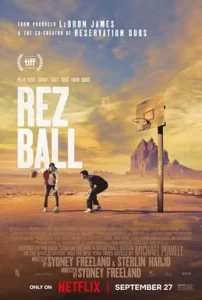


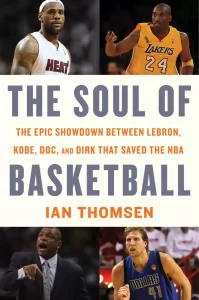
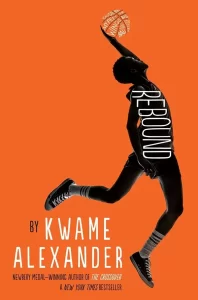
Stay in the loop
Follow SPMA
New jobs, interviews and sport-industry news in your feed.






58225283 new jobs in sport this week
Teams, leagues, agencies and brands in Canadain the USAin Canada & the USA are hiring. Find your next role, or let new ones come to you.
Just posted
 Policy Analyst & Committee LeadSport, Physical Activity and Recreation Council (SPARC) · within Canada3 hrs ago
 Head Coach, Synchro 9 National TeamSkate Canada · Ottawa, ON4 hrs ago
 Analyst | AnalysteOttawa Rapid FC · Ottawa, ON4 hrs ago
 2027 Summer Camp InternFirst Tee · Richmond, VA6 hrs ago
 Triple-a Athletic TrainerDetroit Tigers · Toledo, OH7 hrs ago
 Development CoachHouston Astros · Houston, TX7 hrs ago
- Policy Analyst & Committee LeadSport, Physical Activity and Recreation Council (SPARC) · within Canada3 hrs ago
- Head Coach, Synchro 9 National TeamSkate Canada · Ottawa, ON4 hrs ago
- Analyst | AnalysteOttawa Rapid FC · Ottawa, ON4 hrs ago
