





Published in 1994, the book keeps its attention close to the lives behind the prospect label. A teenager viewed as a possible recruit is also a student, a family member and a person trying to understand what adults expect from him. Frey makes those roles difficult to separate. Basketball is not an extracurricular activity sitting neatly beside the rest of life; it is entangled with hope, status and the practical question of what may happen next.
The Shelf · Books
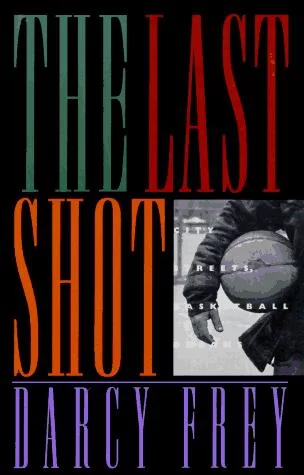
The Last Shot
By Darcy FreyReleased 1994Curated by SPMA Hub because sport culture lives beyond the field.
The Last Shot follows young basketball players for whom a college scholarship carries far more than sporting prestige. Darcy Frey's reporting centres on Coney Island and the Abraham Lincoln High School programme, where talent and daily commitment meet poverty, uncertain educational support and a recruitment system with interests of its own. The title's urgency comes from how narrow the players' imagined routes into a different future have become.

The Shelf
The Gist
Why it caught our attention
The Details
Quick facts
- Format
- Book
- Author
- Darcy Frey
- Published
- 1994
- Genre
- Non-Fiction
- Relevant Sport
- Basketball

At A Glance
The Last Shot follows young basketball players for whom a college scholarship carries far more than sporting prestige. Darcy Frey's reporting centres on Coney Island and the Abraham Lincoln High School programme, where talent and daily commitment meet poverty, uncertain educational support and a recruitment system with interests of its own. The title's urgency comes from how narrow the players' imagined routes into a different future have become.

About This Shelf Item
About The Last Shot
The central contradiction is painful. The boys are encouraged to see sporting ability as an escape, yet the opportunities available through that ability depend on conditions they do not fully control. Academic requirements, recruiting attention and family circumstances all shape the route. A player can devote enormous effort to his game while lacking the support needed to satisfy the other terms attached to a promised educational future.
That contradiction gives the reporting its force without requiring the athletes to become symbols of flawless determination. Their personalities and choices matter because they are people, not examples placed in a case study to prove a point. A responsible reading keeps their agency visible while refusing to pretend that agency operates on equal terms. Wanting an opportunity intensely does not create the resources or institutional help required to reach it.

Why It Belongs
The Sport Connection
For SPMA readers, The Last Shot offers a direct challenge to the language used around youth development. A programme may advertise that sport opens doors, but which doors, under what conditions and with what support? If academic assistance arrives too late or recruitment is poorly explained, a talented athlete may carry the risk of a system whose adults receive credit for offering opportunity. The book makes that distribution of responsibility difficult to ignore.
It also invites scrutiny of the way prospects are described. Calling a teenager a future star can create attention without providing protection, and a scholarship can be presented as a reward while also serving a college team's need for talent. Recognising those competing interests is not an argument against sport. It is a reason to make the educational promise concrete enough that athletes and families can judge what is actually being offered to them.

Our Recommendation
Why Read The Last Shot
Readers interested in basketball will encounter the game in a setting where its stakes extend well beyond winning a particular contest. Those interested in education and inequality will find sport functioning as a highly visible route through less visible institutional problems. The value lies in that connection. Frey does not need to abandon the court to show how schooling, housing and adult expectations shape what happens around it.
The book should be read as reporting from a particular place and period, not as a claim that every urban basketball experience is identical. Its specificity is what makes it useful. Broad language about disadvantaged youth can hide the details that determine whether help is effective. Following a small group closely gives readers a better basis for asking which promises were credible, which obstacles were foreseeable and who had the capacity to respond.
Final Thoughts
Alex's Final Thoughts
The Last Shot belongs on the SPMA shelf because it asks what an opportunity is worth when so much depends on reaching it. Frey's account makes the pursuit of a scholarship both compelling and troubling. It leaves readers with a more demanding standard for sport's educational claims: the strength of an athlete's hope cannot substitute for a system willing to provide the support that hope requires.
Keep Exploring
Similar Books on The Shelf



Same sport
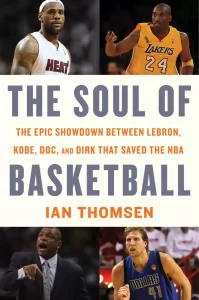
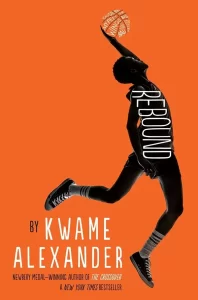
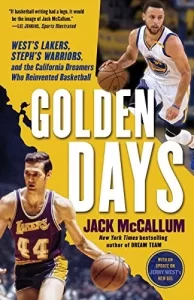
More Basketball on The Shelf

Stay in the loop
Follow SPMA
New jobs, interviews and sport-industry news in your feed.






Hiring now on Sports Hired
58225283 new jobs in sport this week
Teams, leagues, agencies and brands in Canadain the USAin Canada & the USA are hiring. Find your next role, or let new ones come to you.
3701,0541,424 open jobs3,8668,20712,073 organizations
Just posted
 Policy Analyst & Committee LeadSport, Physical Activity and Recreation Council (SPARC) · within Canada3 hrs ago
 Head Coach, Synchro 9 National TeamSkate Canada · Ottawa, ON4 hrs ago
 Analyst | AnalysteOttawa Rapid FC · Ottawa, ON4 hrs ago
 2027 Summer Camp InternFirst Tee · Richmond, VA6 hrs ago
 Triple-a Athletic TrainerDetroit Tigers · Toledo, OH7 hrs ago
 Development CoachHouston Astros · Houston, TX7 hrs ago
- Policy Analyst & Committee LeadSport, Physical Activity and Recreation Council (SPARC) · within Canada3 hrs ago
- Head Coach, Synchro 9 National TeamSkate Canada · Ottawa, ON4 hrs ago
- Analyst | AnalysteOttawa Rapid FC · Ottawa, ON4 hrs ago
Copied
