The Shelf · Books

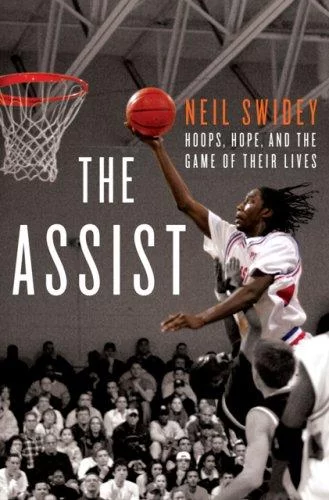
The Assist

By Neil SwideyReleased 2008Curated by SPMA Hub because sport culture lives beyond the field.

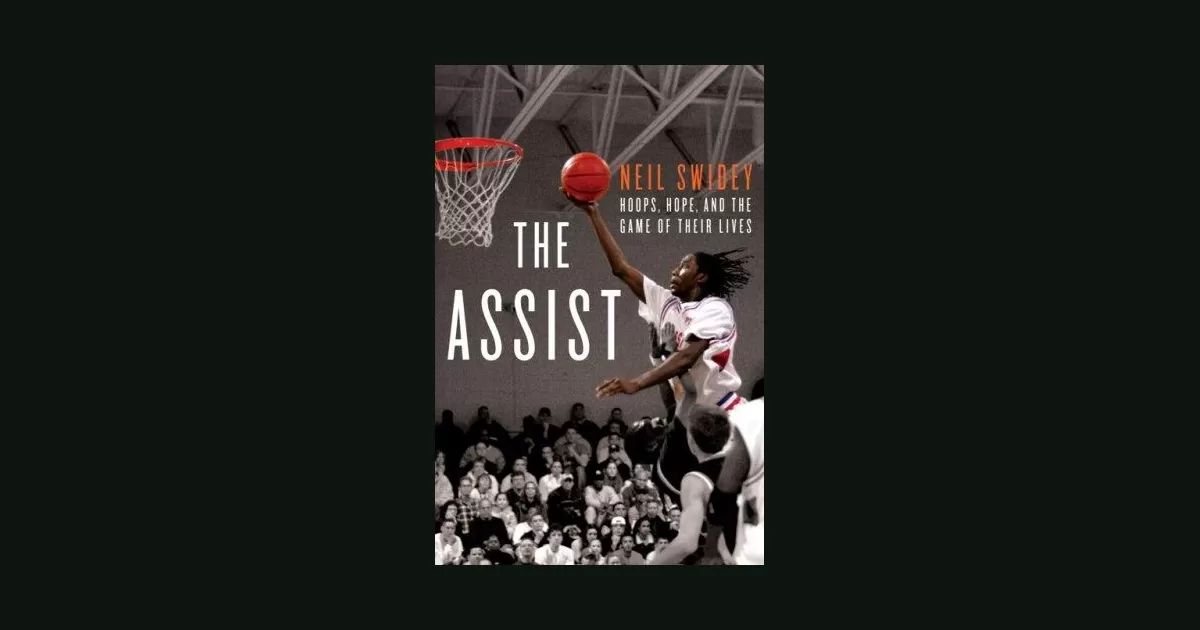
The Assist follows basketball coach Jack O'Brien and his Charlestown High School players beyond the reassuring boundaries of a success story. Neil Swidey examines what an intense sporting relationship can offer young people, and what remains unresolved when the season ends.

Alex Bennett
Covered by Alex Bennett
The Shelf
The Assist
The Assist
The Gist Of The Assist

The Gist

Why it caught our attention

A championship gives a school team an achievement that outsiders can understand immediately. The work surrounding it is harder to summarise. Players bring family circumstances, educational prospects and pressures that do not fit on a scoreboard. A coach may become deeply involved in those lives without being able to control all the conditions shaping them.

Swidey's book begins within that demanding relationship. Its interest extends beyond whether a team wins to what the people involved need from one another. Basketball creates the structure through which they meet, but the consequences of their connection continue outside the gym and beyond graduation.

The Details

Quick facts

Format
Book
Author
Neil Swidey
Published
2008
Relevant Sport
Basketball

At A Glance

The Assist follows basketball coach Jack O'Brien and his Charlestown High School players beyond the reassuring boundaries of a success story. Neil Swidey examines what an intense sporting relationship can offer young people, and what remains unresolved when the season ends.

About This Shelf Item

About The Assist

Published in 2008, The Assist centres on O'Brien's programme at Charlestown High School in Boston. A white coach and a team of predominantly Black players operate in a neighbourhood marked by the city's difficult history of school desegregation. The programme's competitive record includes five state championships in six years.

Swidey follows the relationships behind those results and the different directions players' lives take. O'Brien's forceful commitment to his team is part of the account, as is his own dependence on the role. The book gives attention to what happens after young people leave the immediate protection and expectations of the programme.

Why It Belongs

The Sport Connection

The central sports question is what counts as a successful intervention. Winning offers a visible measure, and college progression offers another. Neither necessarily captures the full value of a relationship or the obstacles that remain. The Assist invites readers to consider outcomes over a longer period than the competitive calendar normally permits.

It also complicates the familiar image of the coach as a solitary rescuer. A demanding adult can provide continuity, advocacy and practical help, but the relationship is not free from authority or need. Players retain their own perspectives and choices. The coach's investment can be both generous and bound up with his sense of purpose. Recognising that complexity makes the relationship more credible, not less important.

The Boston setting adds an institutional dimension. A team's racial composition and neighbourhood cannot be treated as incidental background when the city's educational history has shaped how people move through those spaces. Basketball may create a powerful shared activity, but participation does not automatically dissolve the wider inequalities surrounding a school.

Our Recommendation

Why Read The Assist

Read The Assist if you want reported sports writing that stays with its subjects after the point at which a simpler narrative might end. The later lives of players test the meaning of the programme's promises and achievements. That willingness to continue looking is essential to the book's value.

For readers working in youth sport, the most useful discussion concerns the relationship between personal dedication and durable support. An exceptional coach can do a great deal, but a system that depends entirely on one person's extraordinary effort remains fragile. The book provides a concrete setting in which to consider what institutions should contribute alongside individual commitment.

Its account also rewards resistance to easy judgements about young people whose routes diverge. A positive result does not prove that every obstacle was manageable, and a difficult outcome does not erase the value of care already given. Following particular lives allows those truths to coexist. That is more demanding than treating each player as evidence for or against a single inspirational claim about sport.


Alex Bennett

Final Thoughts

Alex's Final Thoughts

The Assist earns its place on the SPMA Shelf through its attention to the responsibilities attached to influence. Basketball gives O'Brien and his players a shared language and an intense daily purpose. Swidey's larger concern is what that bond can sustain when people return to circumstances the game cannot settle. The result is a sports story that takes both hope and its limits seriously.