The Shelf · Books

Alone on the Wall

By Alex Honnold & David RobertsReleased 2015Curated by SPMA Hub because sport culture lives beyond the field.

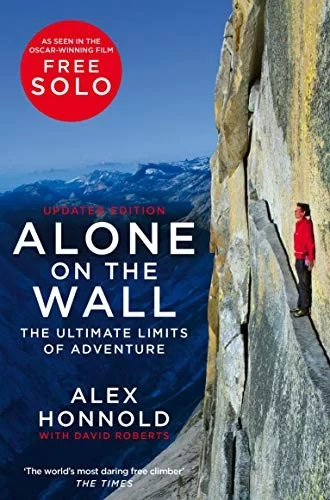
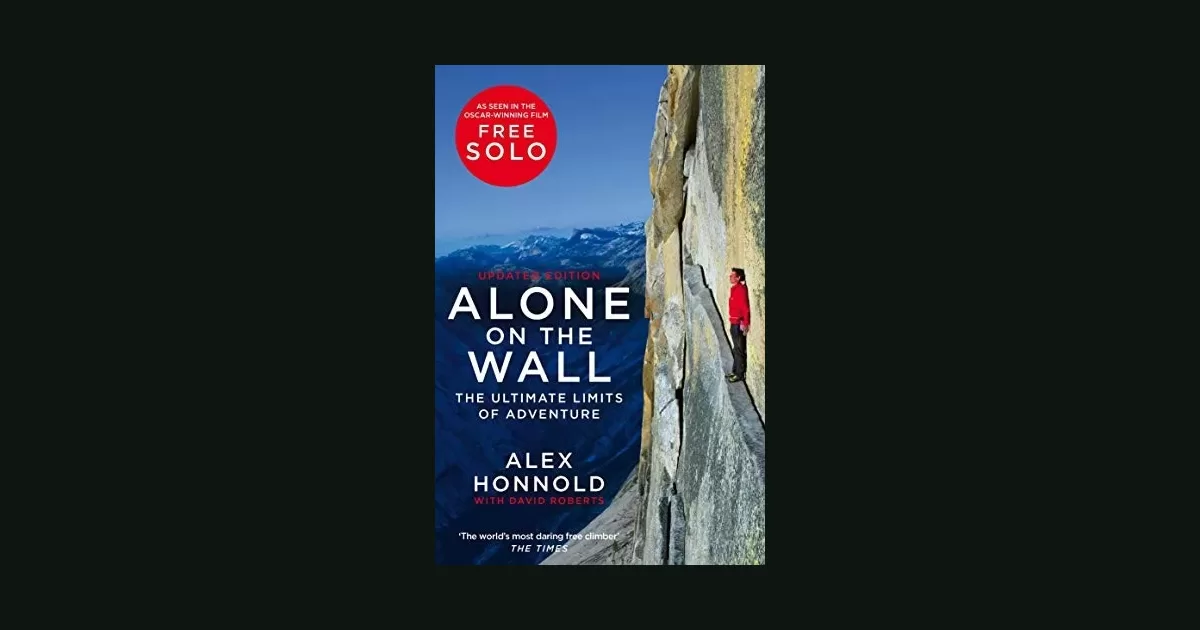
Alone on the Wall looks behind the arresting image of Alex Honnold climbing without a rope. Written with David Roberts, the book places major ascents within a larger account of preparation, judgement and personal choice. The spectacle is extraordinary; the more revealing subject is how Honnold thinks about the undertaking before the spectacle exists.

Alex Bennett
Covered by Alex Bennett
The Shelf
Alone on the Wall
Alone on the Wall
The Gist Of Alone on the Wall

The Gist

Why it caught our attention

The original book appeared in 2015 and recounts significant achievements from that stage of Honnold's career. Readers arriving through later films or climbs should keep that publication date in view. An early edition cannot be expected to narrate events that had not yet occurred, even when those events now dominate his public image.

The range also matters. Honnold's climbing includes more than free soloing. A book that considers different objectives can show abilities and relationships that a single famous photograph would leave out, including the distinction between solitary movement on a wall and the broader practice of climbing.

The Details

Quick facts

Format
Book
Author
Alex Honnold & David Roberts
Published
2015
Relevant Sport
Climbing

At A Glance

Alone on the Wall looks behind the arresting image of Alex Honnold climbing without a rope. Written with David Roberts, the book places major ascents within a larger account of preparation, judgement and personal choice. The spectacle is extraordinary; the more revealing subject is how Honnold thinks about the undertaking before the spectacle exists.

About This Shelf Item

About Alone on the Wall

The ascents associated with the original account include Sendero Luminoso in Mexico and the Fitz Traverse in Patagonia. Their different settings help resist a flattened picture in which every climbing achievement is simply another version of being high above the ground. Objectives demand their own forms of preparation and judgement.

Roberts's collaboration supplies a way to connect Honnold's perspective with a wider narrative. The reader is invited to understand what the climber considers meaningful, rather than relying entirely on an observer's immediate fear. That does not require adopting his tolerance for risk; understanding a decision and endorsing it are separate acts.

Preparation is particularly important to that distinction. An apparently spontaneous movement may sit at the end of extensive familiarity and assessment. Recognizing the work behind an ascent makes the story more intelligible without making the consequences of an error disappear.

The title captures a visible truth while inviting a broader question. A climber may be physically alone during a particular passage, yet a sporting life still involves other people, accumulated knowledge and a community of practice. The book gives readers room to consider both the individual achievement and the world that makes its pursuit possible.

Why It Belongs

The Sport Connection

For sport media, Honnold's example exposes the limitations of spectacular imagery. A photograph or short clip can convey danger instantly, while preparation and decision-making are harder to show. Responsible coverage needs enough context to prevent an extraordinary act from being mistaken for a casual demonstration of fearlessness.

Sponsorship raises a related question. Adventure athletes may earn attention through distinctive objectives, but public expectation should not be confused with an obligation to attempt them. A manager's interest in a compelling story can never substitute for the athlete's assessment of whether to proceed.

The book also offers a useful discussion of expertise and its limits. Highly developed skill can change how a situation is understood, but it does not turn a high-consequence activity into a universally transferable lesson. The relevant managerial insight concerns respecting judgement and autonomy, rather than encouraging others to imitate the feat.

Our Recommendation

Why Read Alone on the Wall

Alone on the Wall suits readers who want an account of climbing that moves beyond amazement. The interest lies in the interaction between a distinctive personality, particular objectives and the deliberate work surrounding them. No technical ambition is required to find that interaction compelling.

It should be read as narrative and reflection, not as an instructional route into free soloing. The specific circumstances of Honnold's climbing are precisely what make the story distinctive, and removing those circumstances would undermine the understanding the book can provide.

Alex Bennett

Final Thoughts

Alex's Final Thoughts

The book's strongest invitation is to replace the simple label of fearless with a more careful examination of how a climber makes decisions. Honnold and Roberts describe a sporting life that is difficult to reduce to ordinary categories of competition. Alone on the Wall keeps the achievement visible while directing attention toward the judgement hidden behind it.