





Published in 2001, this case-based study connects sport sponsorship with brand development through the histories of two automotive manufacturers. Subaru's rallying programme and Jaguar's racing activity supply the main material. The authors establish a marketing context before following the organisations and relationships behind each campaign, then draw their comparison together. That historical structure is central to the book. It allows readers to see that a sponsorship strategy starts with a company's existing position, capabilities and problems. Motorsport supplies opportunities, but the meaning of those opportunities changes according to what a brand needs to establish, recover or communicate to its customers.
The Shelf · Books
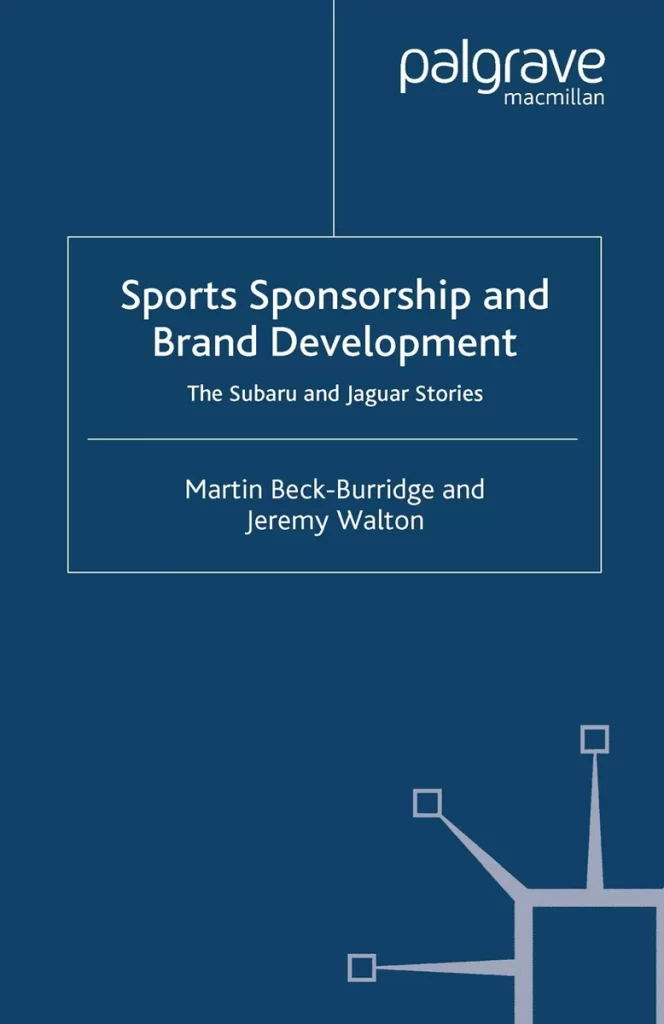
Sports Sponsorship and Brand Development: The Subaru and Jaguar Stories
By Martin Beck-Burridge & Jeremy WaltonReleased 2001Curated by SPMA Hub because sport culture lives beyond the field.
A racing programme can change how people understand a car company, but the badge on a winning machine tells only part of the story. Martin Beck-Burridge and Jeremy Walton examine Subaru and Jaguar to show how sporting partnerships, corporate identity and commercial ambition came together in two markedly different campaigns.
The Shelf
The Gist
Why it caught our attention
The Details
Quick facts
- Format
- Book
- Author
- Martin Beck-Burridge & Jeremy Walton
- Published
- 2001
- ISBN
- 9780333925409
- Genre
- Non-Fiction
- Relevant Sport
- Motorsport

At A Glance
A racing programme can change how people understand a car company, but the badge on a winning machine tells only part of the story. Martin Beck-Burridge and Jeremy Walton examine Subaru and Jaguar to show how sporting partnerships, corporate identity and commercial ambition came together in two markedly different campaigns.

About This Shelf Item
About Sports Sponsorship and Brand Development: The Subaru and Jaguar Stories
Subaru's story includes Fuji Heavy Industries and the development of its relationship with Prodrive. Attention to the partner is revealing. A manufacturer entering competition requires capabilities that do not appear merely because a marketing department has approved a budget. Prodrive's own development, including the challenge of concentrating on its strongest skills, places the sporting campaign within a wider business relationship.
Jaguar presents a different problem. Its sporting heritage offered valuable associations, while the company's difficulties had damaged confidence in its products. The account follows its relationship with TWR and ambitions extending from European competition towards international sports car racing and the American market. Success on a circuit could support a story of renewal, but that story also had to connect with the cars being sold. Comparing the cases makes the distinction clear: one campaign helped build an identity in target markets, while the other sought to restore credibility to an established name.

Why It Belongs
The Sport Connection
The book is directly relevant to sponsorship work because it treats a sporting relationship as an organisational commitment. A partnership must make sense for the company that funds it and for the specialist business delivering the competitive activity. Its value cannot be understood solely by counting appearances of a logo. The Subaru and Jaguar cases encourage closer questions about purpose: which audience is meant to change its view, what evidence will make the association credible, and how will the company's product experience support the sporting message? These are useful questions for a sponsorship proposal because they connect the public campaign with the organisation's ability to fulfil its promise.

Our Recommendation
Why Read Sports Sponsorship and Brand Development: The Subaru and Jaguar Stories
Students of sport marketing and automotive business are the clearest audience, alongside practitioners interested in the history of major racing partnerships. The focus is narrower than the broad title might suggest, and that is an advantage for readers willing to examine two campaigns closely. It offers organisational context that a survey of famous sponsorship deals could easily miss. The publication date also matters. The book records an earlier phase of both brands and of motorsport commerce. Its cases are most productive when used to examine the relationship between strategic intent, partner selection and brand meaning, with their historical circumstances kept in view.
Final Thoughts
Arash's Final Thoughts
Sports Sponsorship and Brand Development is valuable because it makes comparison do real work. Subaru and Jaguar did not arrive in competition with the same history or the same commercial needs, so similar sporting tools could serve different purposes. Their stories show why a persuasive sponsorship strategy must begin with a clear account of the company itself. The lasting interest lies in that connection between an internal business problem and an external sporting relationship, and in the effort required to make the two support each other.
Keep Exploring
Similar Books on The Shelf

Same sport
More Motorsport on The Shelf
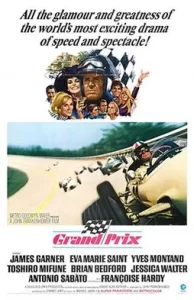
Stay in the loop
Follow SPMA
New jobs, interviews and sport-industry news in your feed.






Hiring now on Sports Hired
53114167 new jobs in sport this week
Teams, leagues, agencies and brands in Canadain the USAin Canada & the USA are hiring. Find your next role, or let new ones come to you.
3781,1001,478 open jobs3,8838,63612,519 organizations
Just posted
 Administrator, PayrollEdmonton Oilers · Edmonton, AB1 min ago
 King Sport Program StaffSeneca Sting · King City, ON4 hrs ago
 Clubhouse ManagerWelland Jackfish · Welland, ON7 hrs ago
 Creative Media InternshipRSL Network · TX4 hrs ago
 Nike, Inc. Apparel Design, Innovation Graduate InternshipNike · Beaverton, OR5 hrs ago
 Digital Content and Display Marketing CoodinatorOutdoor Gear Exchange · Burlington, VT9 hrs ago
- King Sport Program StaffSeneca Sting · King City, ON4 hrs ago
- Creative Media InternshipRSL Network · TX4 hrs ago
- Nike, Inc. Apparel Design, Innovation Graduate InternshipNike · Beaverton, OR5 hrs ago
Copied
